Tea begins in the garden
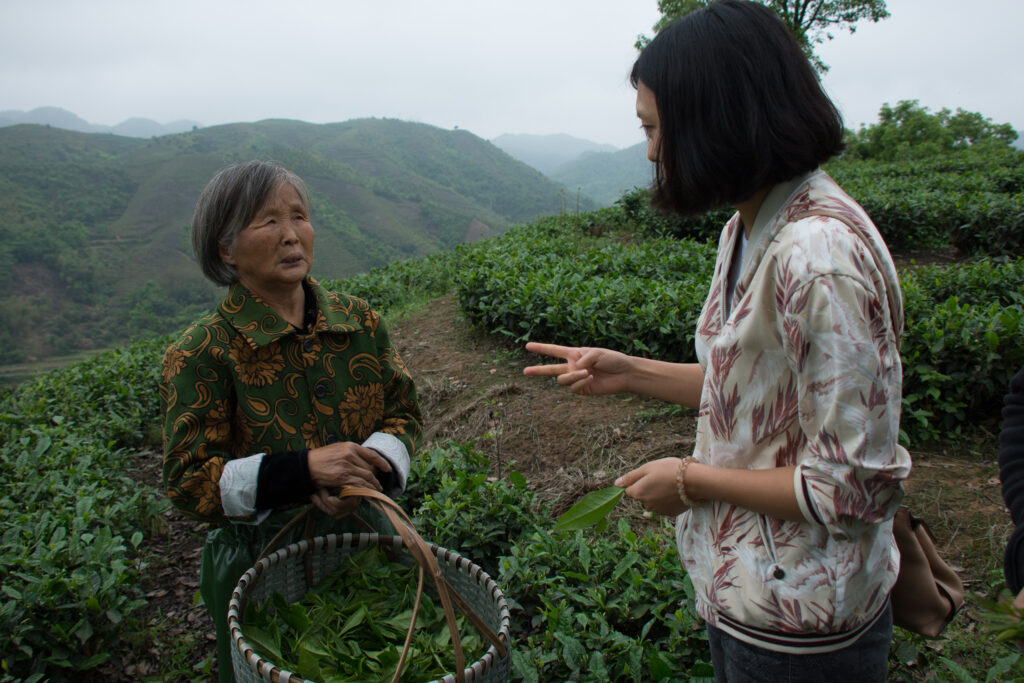
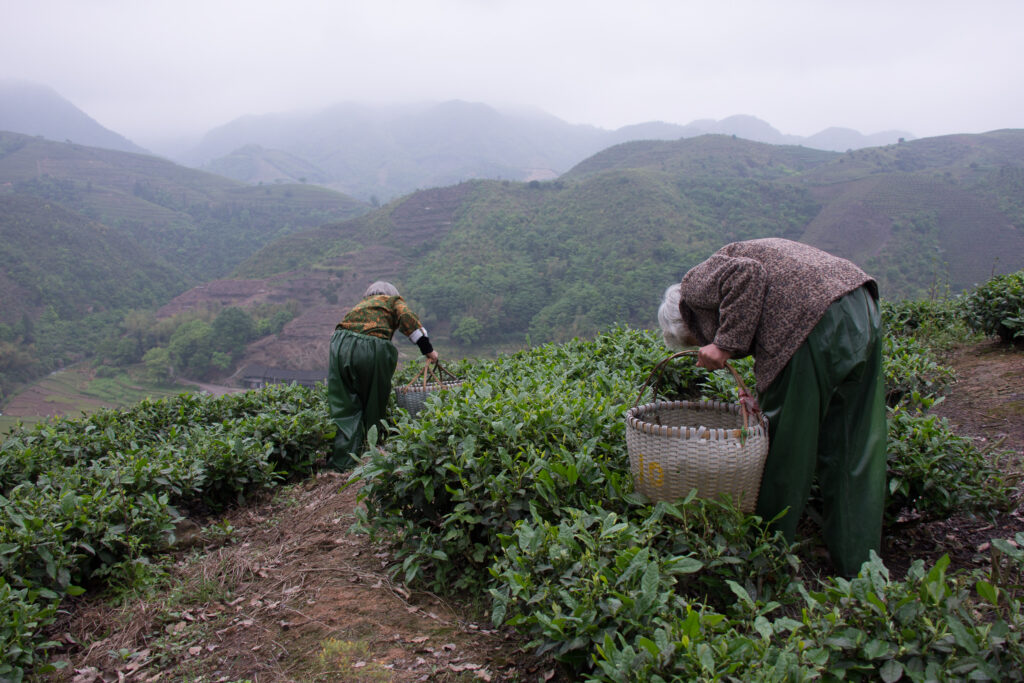
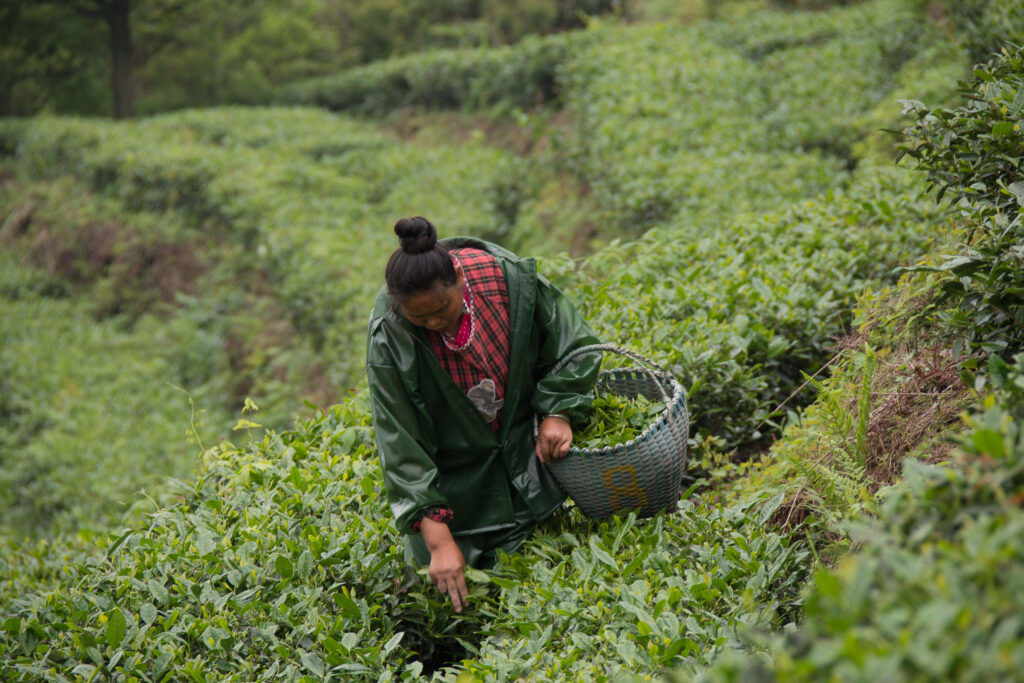
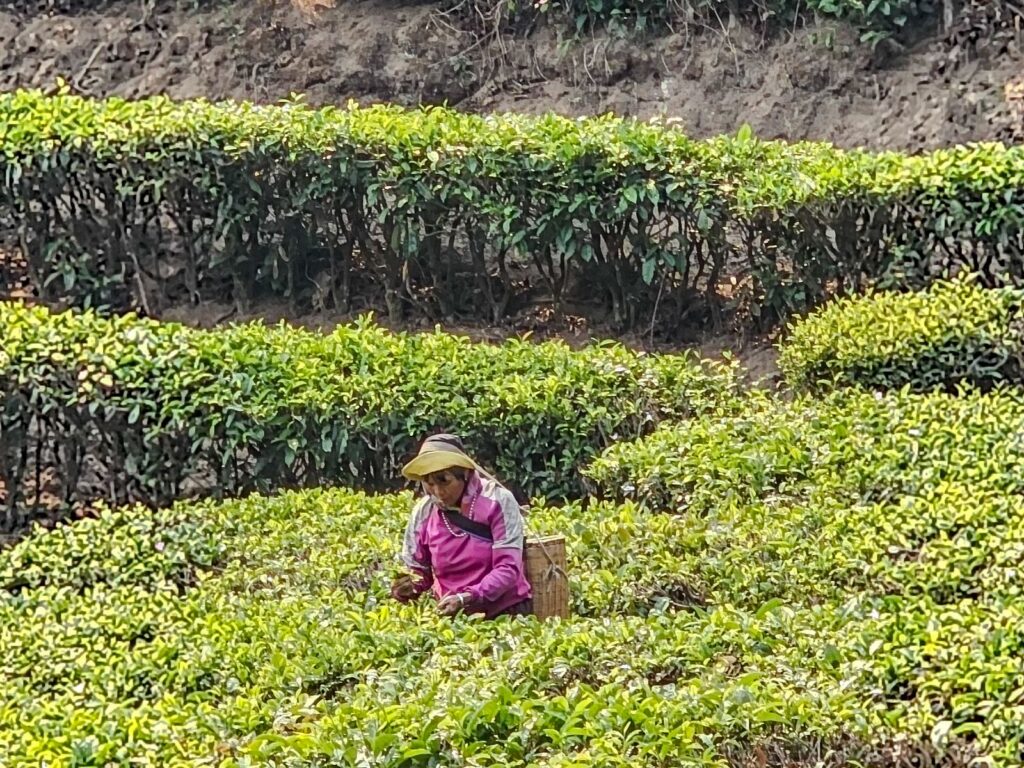
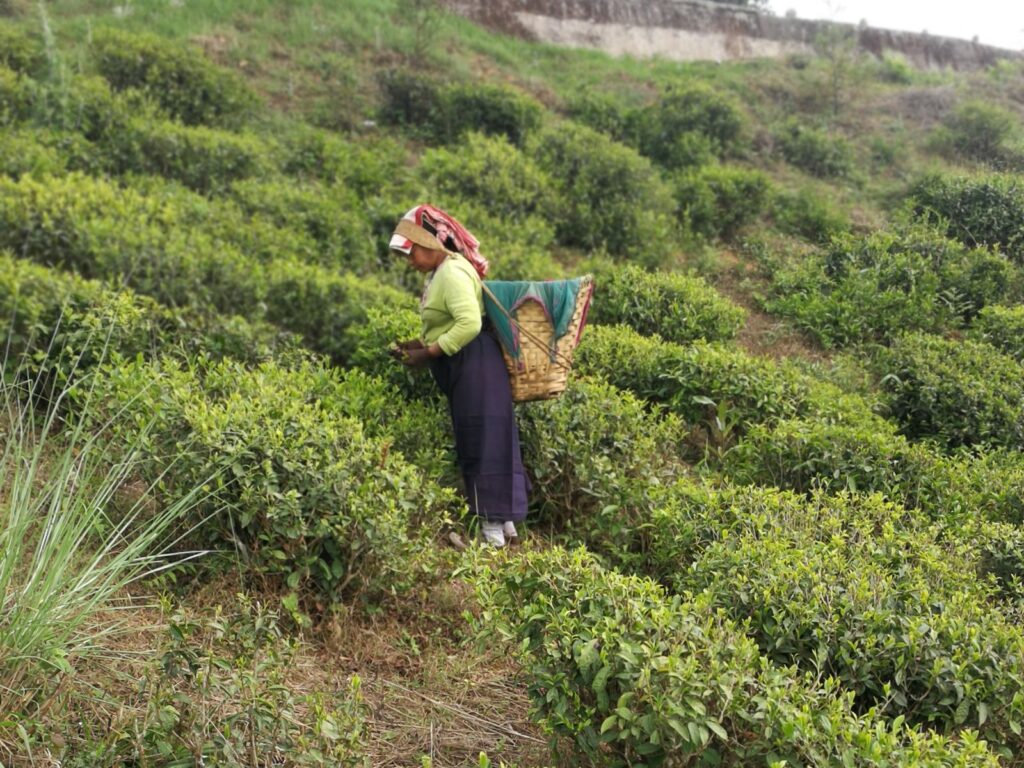
Every cup of tea starts as a leaf on a bush, picked by hand on a mountain slope, often by people whose families have tended the same rows for generations.
We travel to the tea gardens of China, India, Korea, Sri Lanka, Japan, walk the terraces with the growers and taste with the tea makers.
The leaves we love are the ones we bring back to you.
This page follows the leaf: from the garden, through the hands that make it, to the cup in front of you.
One plant, six families of tea
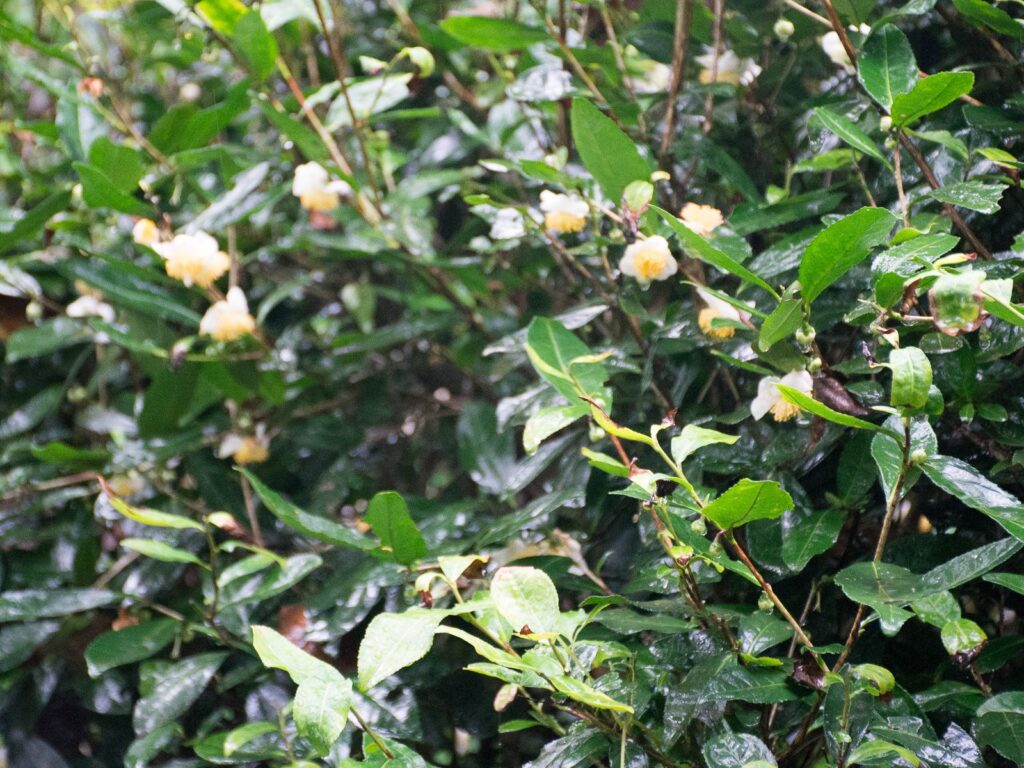
All true tea comes from a single plant, Camellia sinensis.
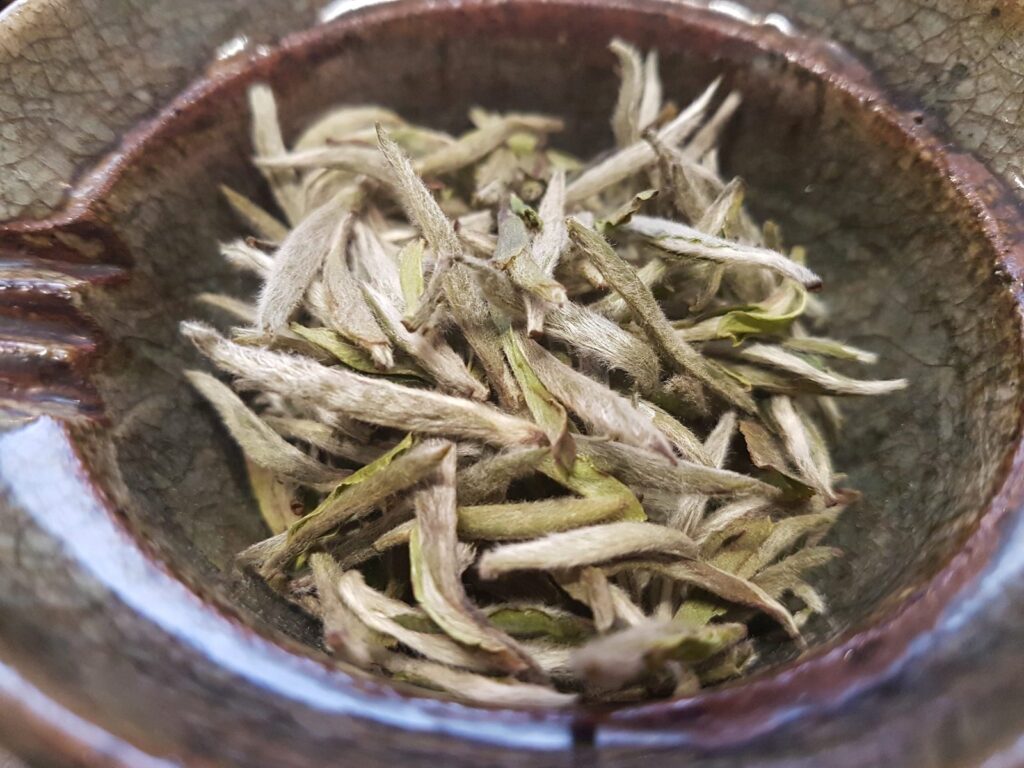
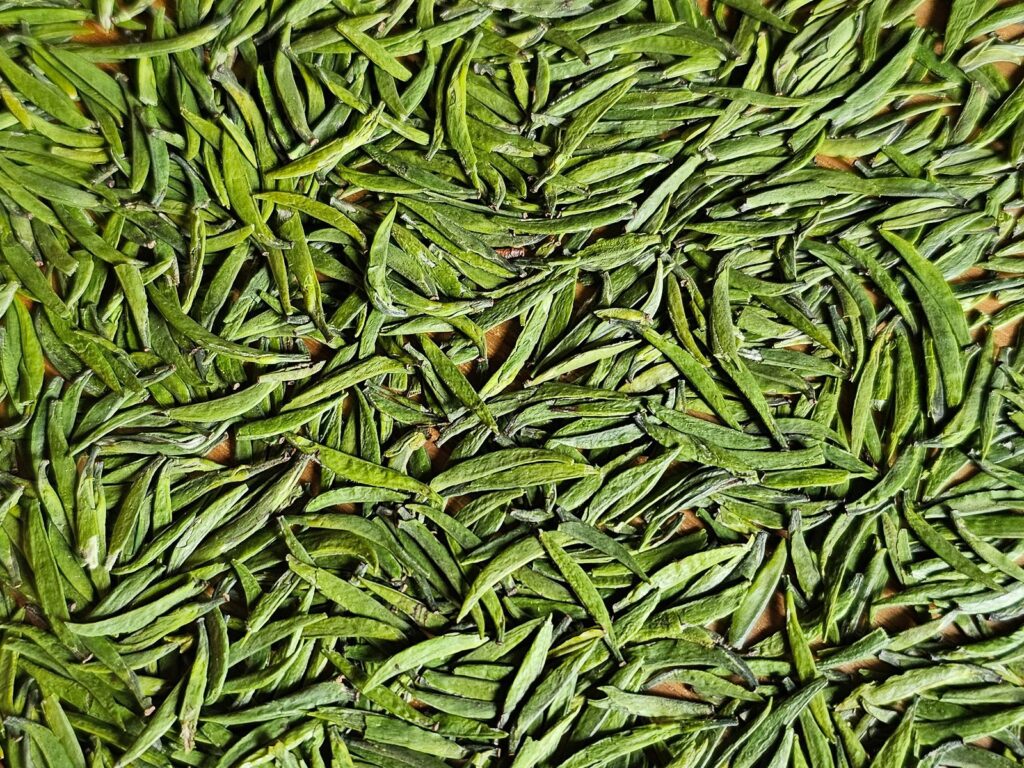
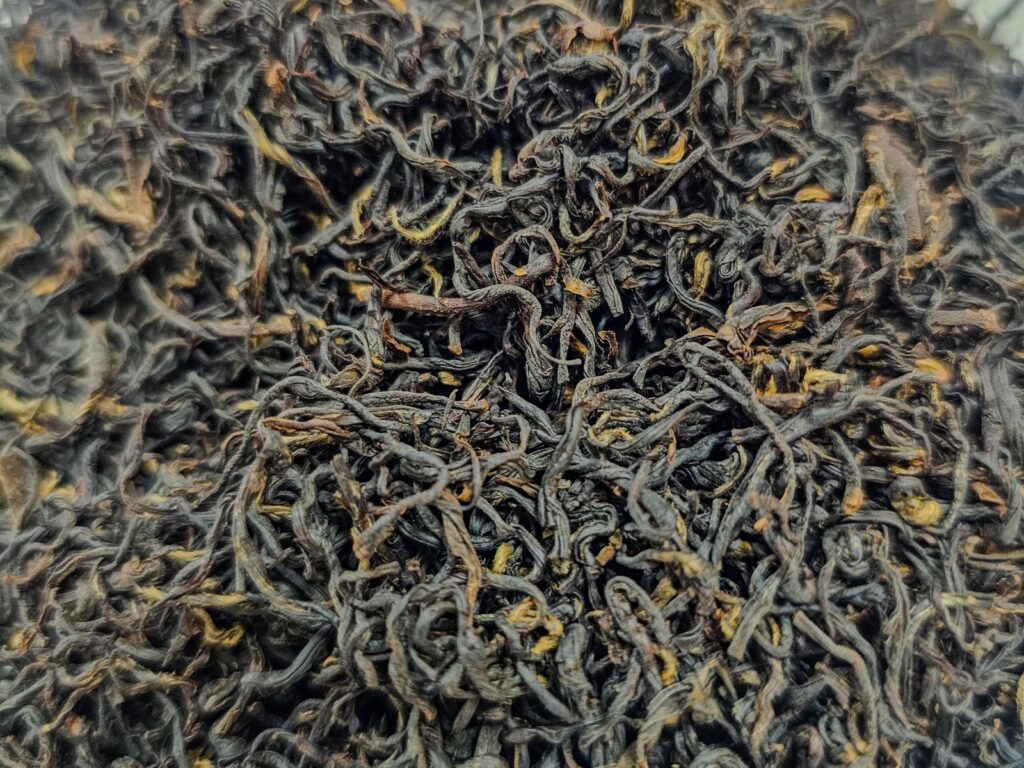
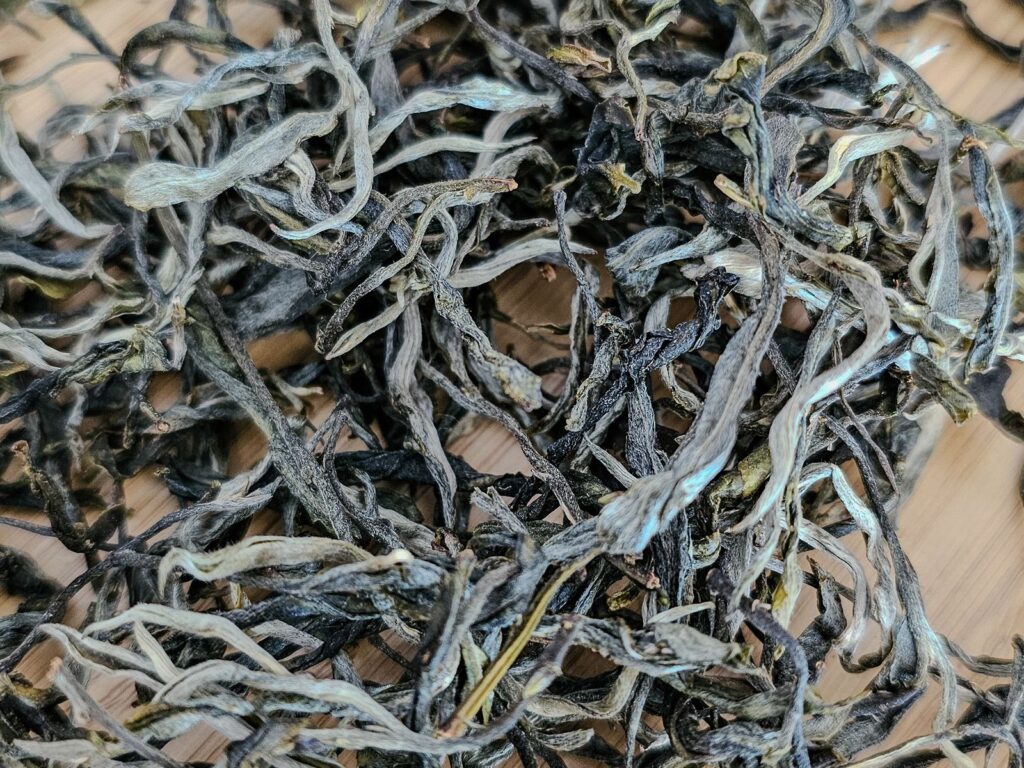
White, green, yellow, oolong, red and pu-erh tea are not different plants: they are different ways of treating the same fresh leaf.
What changes is how much the leaf is allowed to oxidise – the same browning you see on a cut apple – and how it is shaped, dried and sometimes aged.
What the West calls black tea, China calls red tea, hong cha, after the colour of the cup. And Pu-Erh is a fermented tea leaf, not only oxidised.
Then come the garden, the variety of the bush, the season and the skill of the maker. That is why two teas of the same family can taste nothing alike.
From leaf to tea
Tea making is simple to describe and hard to master.
Every family of tea follows the same few steps; the maker decides how far to take each one.
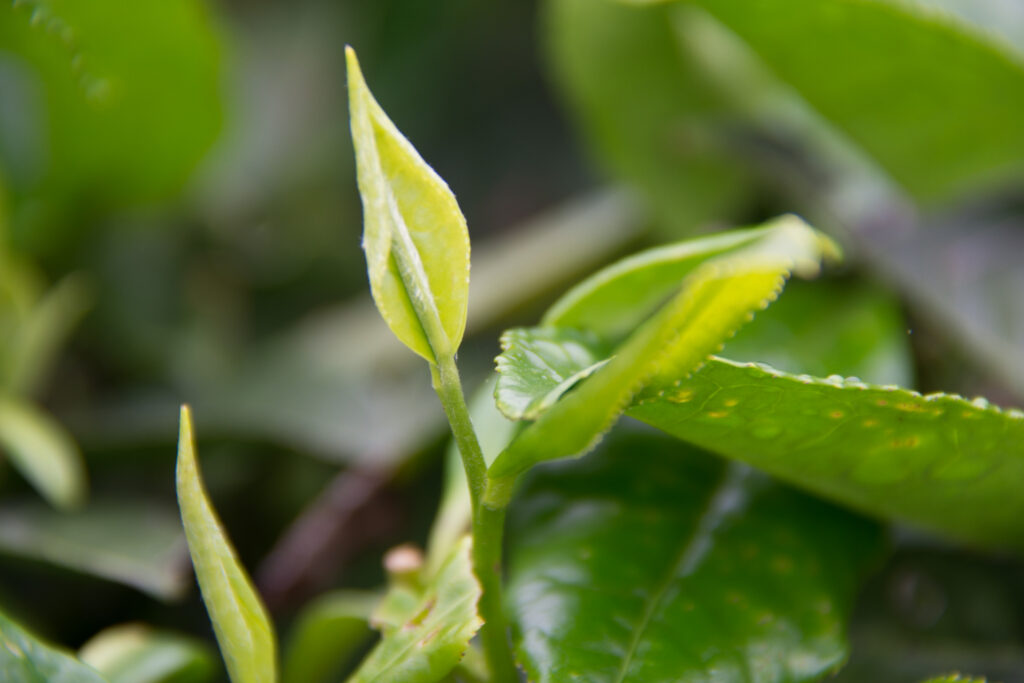
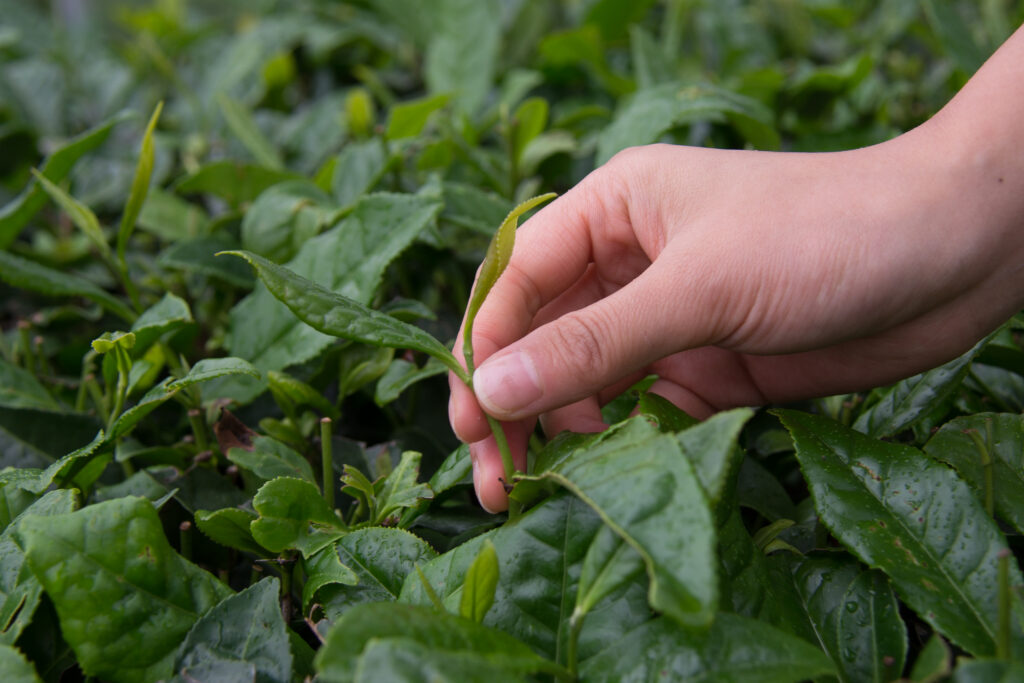
- Plucking. Only the bud and the youngest leaves are picked, by hand, in the right season and at the right hour.
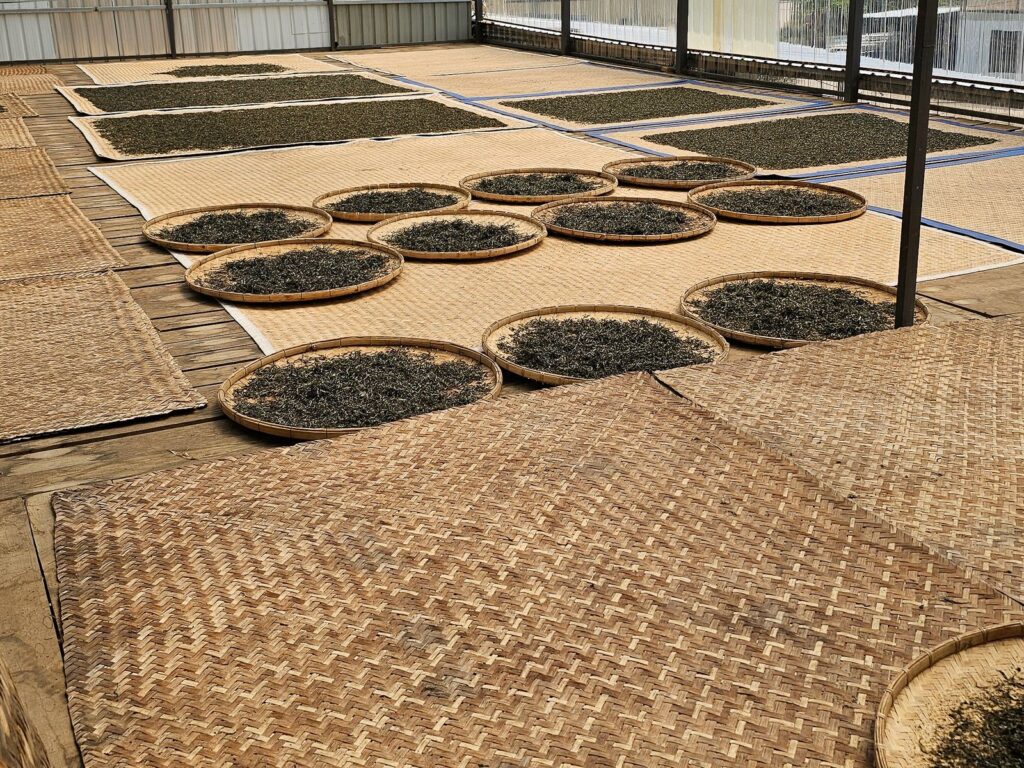
- Withering. The fresh leaves are spread out to lose some of their water and soften.
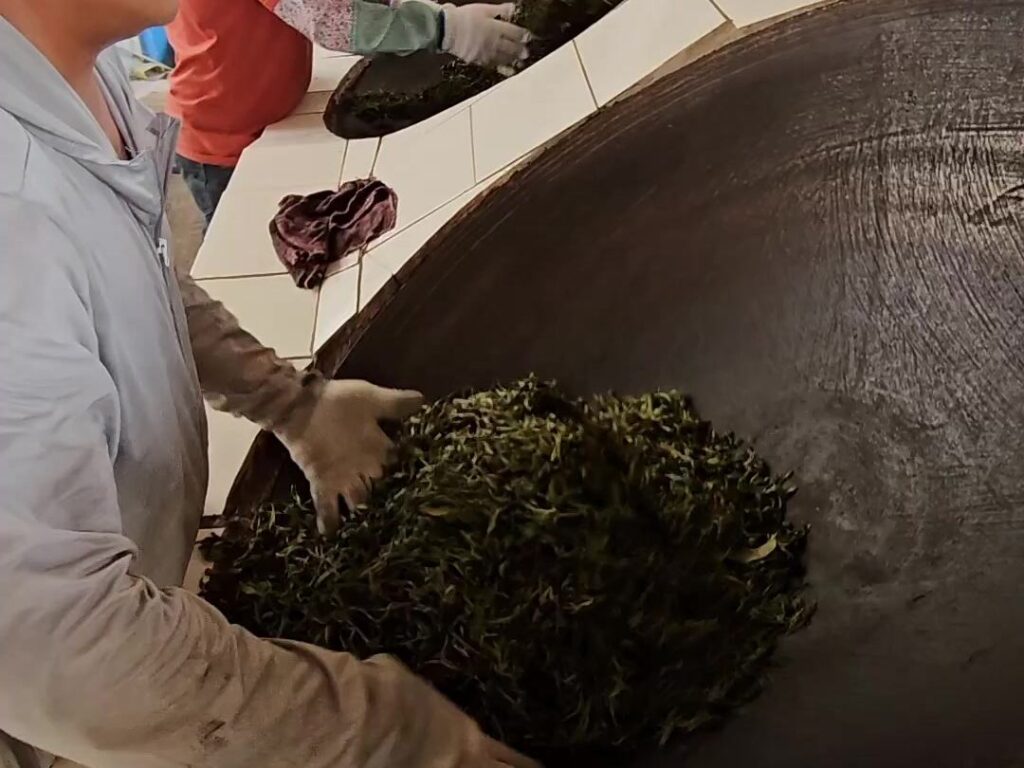
- Shaping. The leaves are tossed, rolled or pressed. Bruising the leaf starts oxidation, and the maker decides when to stop it.
- Drying. Heat fixes the leaf, stops oxidation and locks in the aroma, so the tea keeps until it reaches your cup.
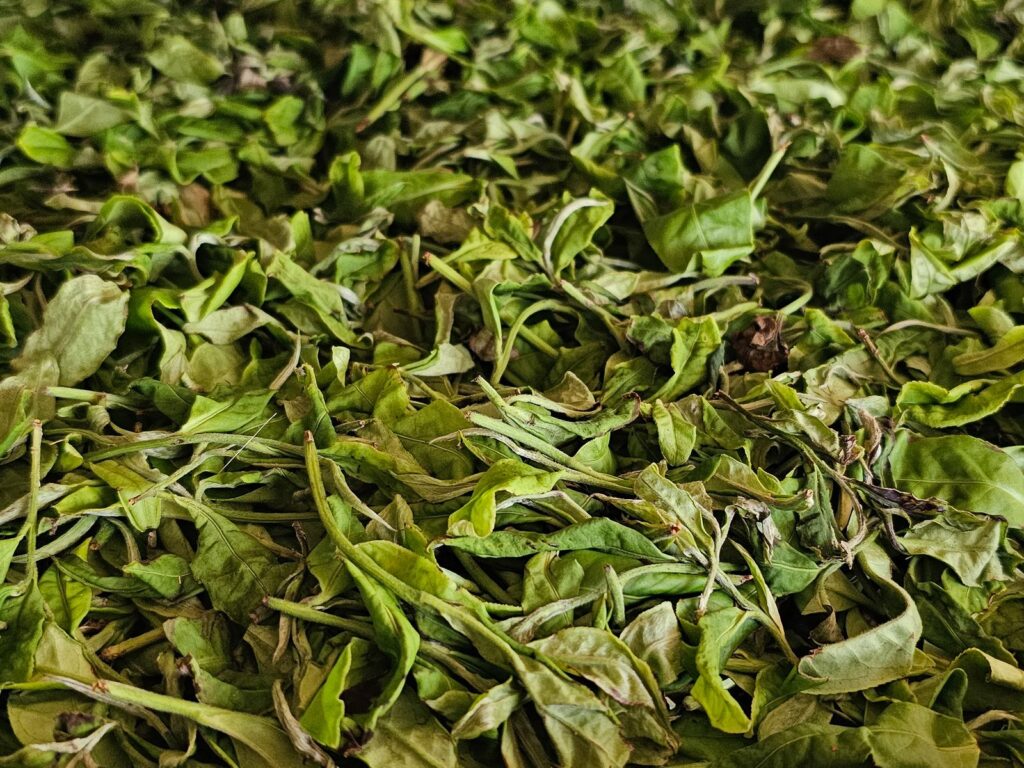
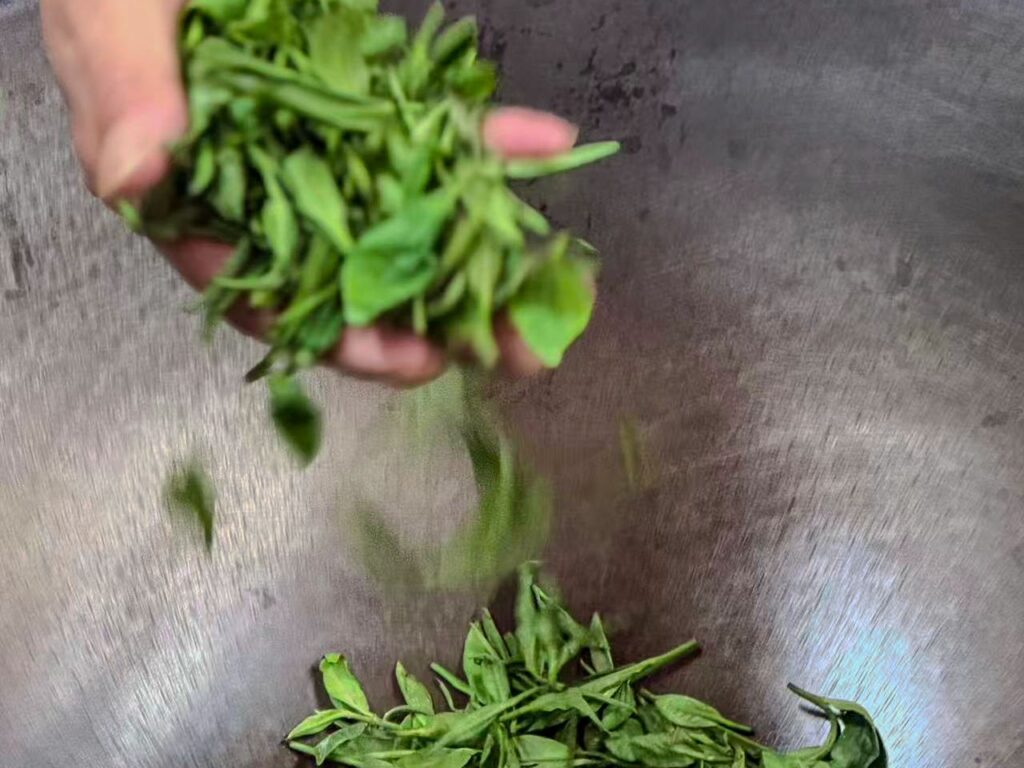
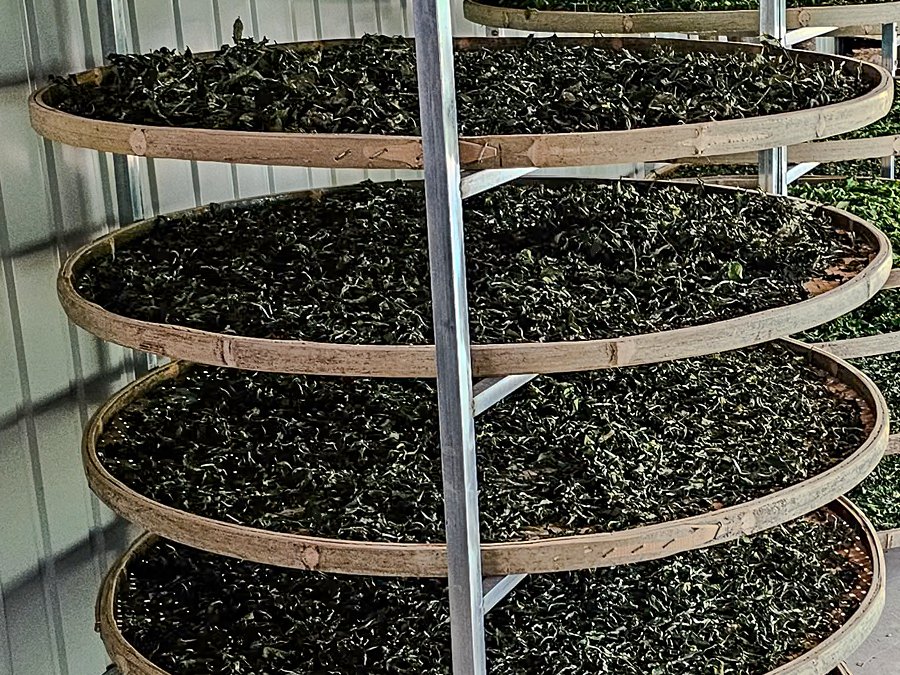
Green tea is heated soon after picking, so it stays green and fresh. White tea is only withered and dried. Oolong is tossed until the edges of the leaf oxidise, halfway between green and red. Red tea is rolled and fully oxidised. Dark teas, such as pu-erh, are fermented and can age -and improve!- for years.
Where the leaves grow
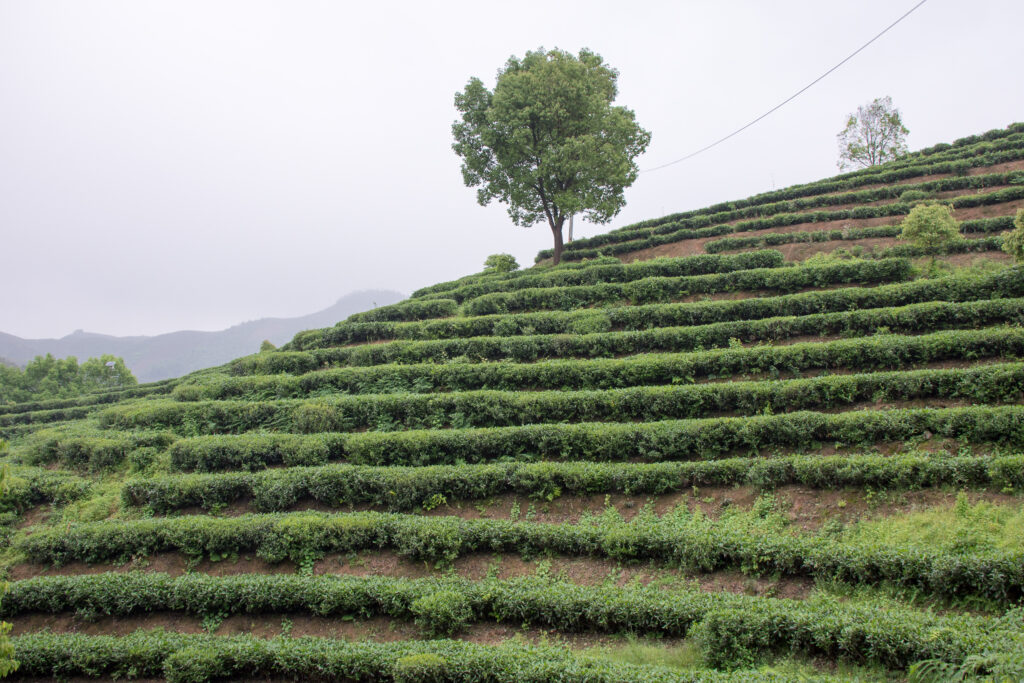
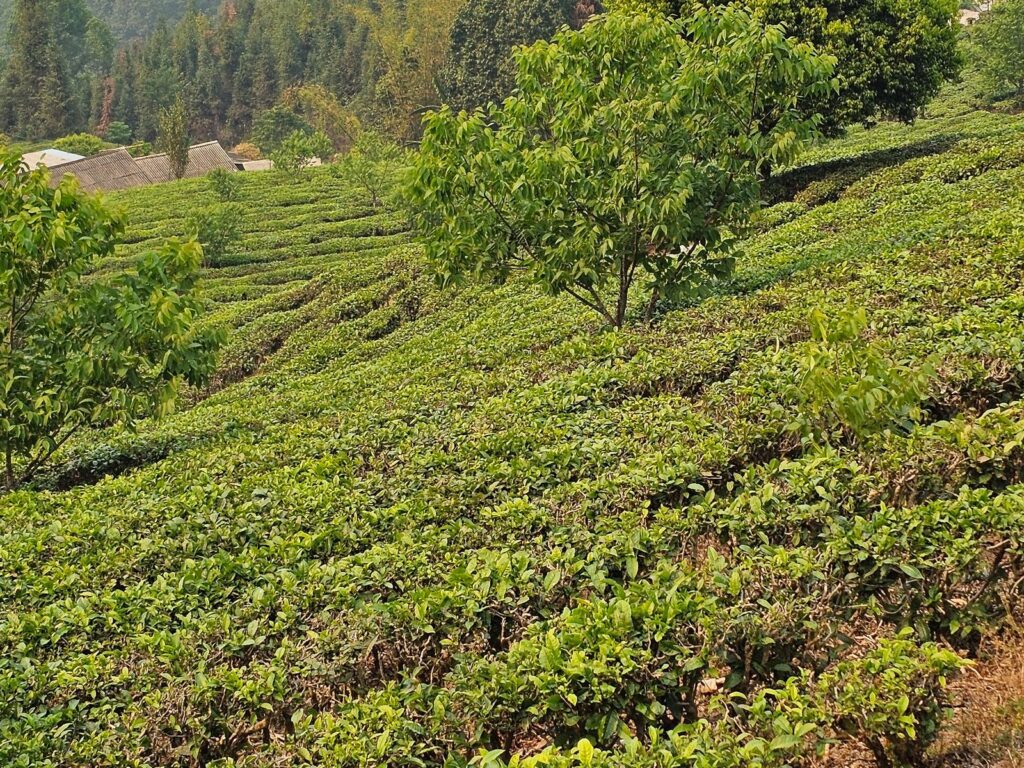
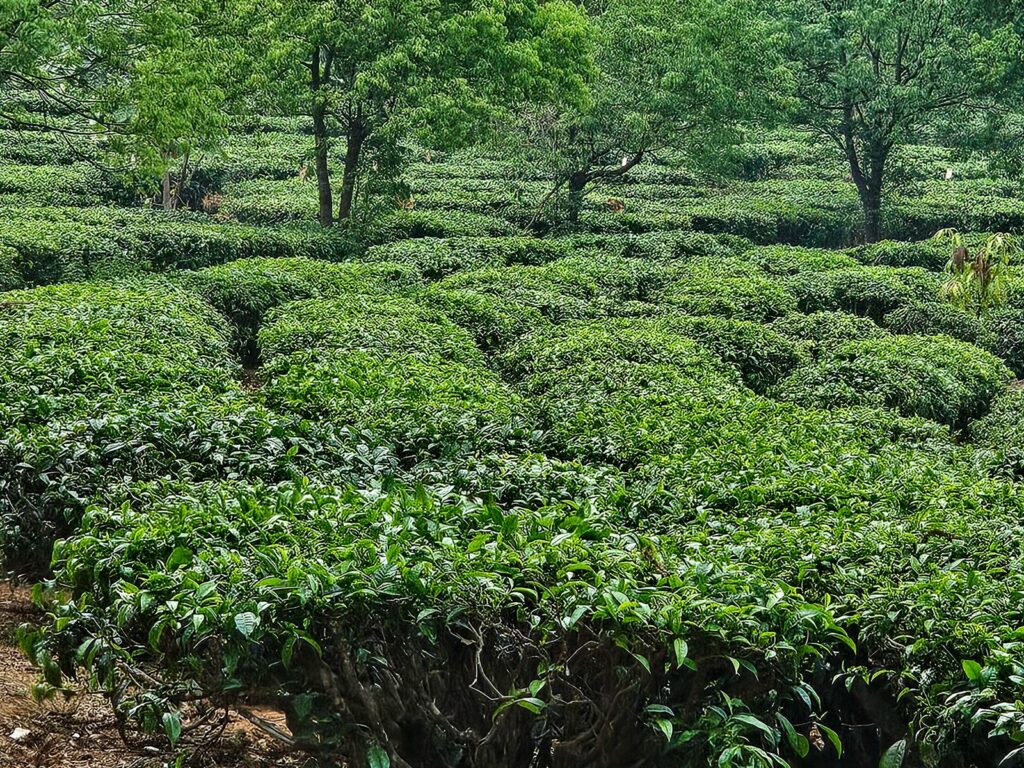
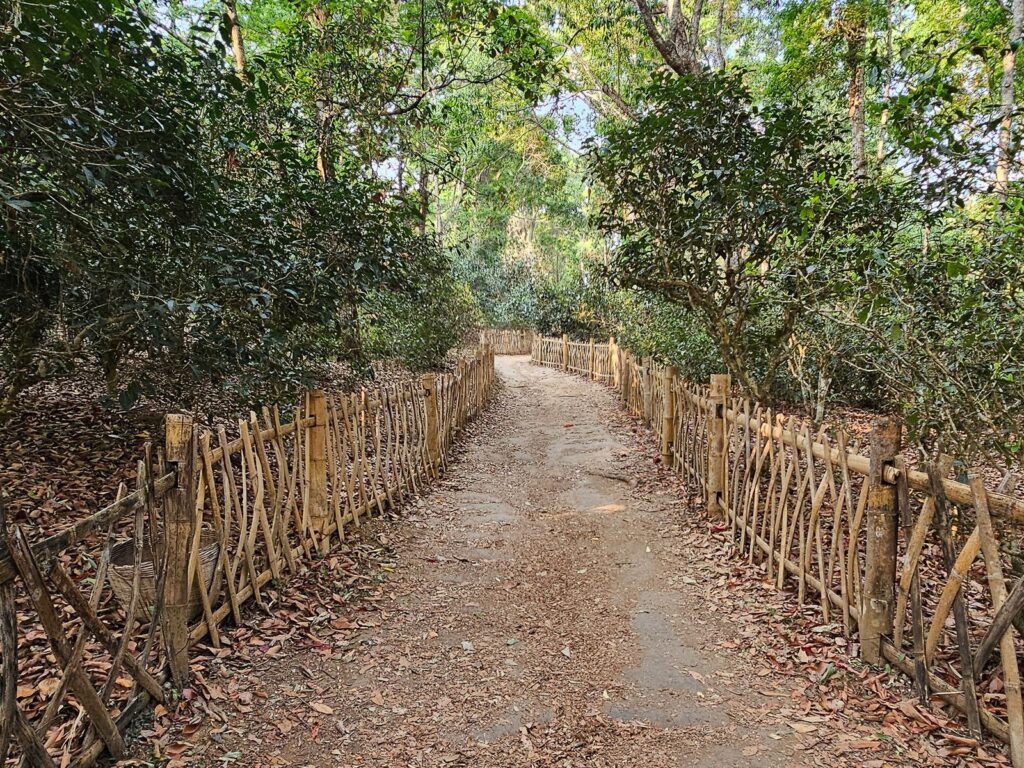
Fine tea likes mountains: mist, cool nights and slow growth give the leaf its depth. The photographs on this page come from our own visits to tea gardens in China and India. Here are five of them.
Fuding, Fujian: the home of white tea
On the green hills of Fuding, in north-eastern Fujian, white tea (Yin Zhen, Bai Mu Dan, Gong Mei, Shou Mei) is made from the plump, downy buds and leaves of the local bushes. The leaves are only withered and dried, so what reaches your cup is the pure leaf itself.
The Wuyi Mountains, Fujian: rock oolong
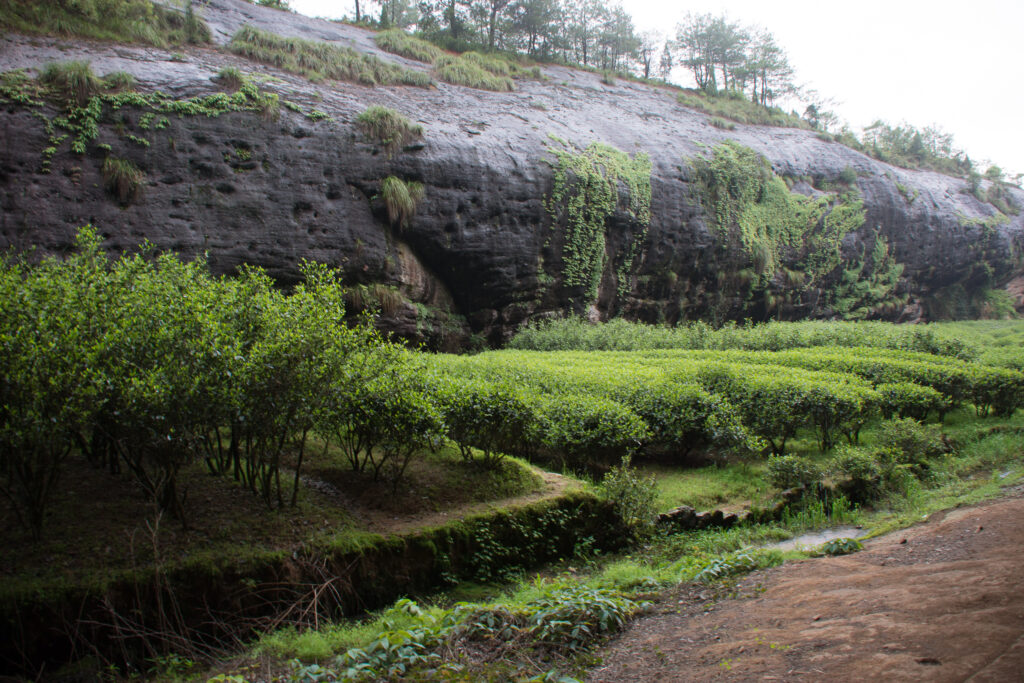
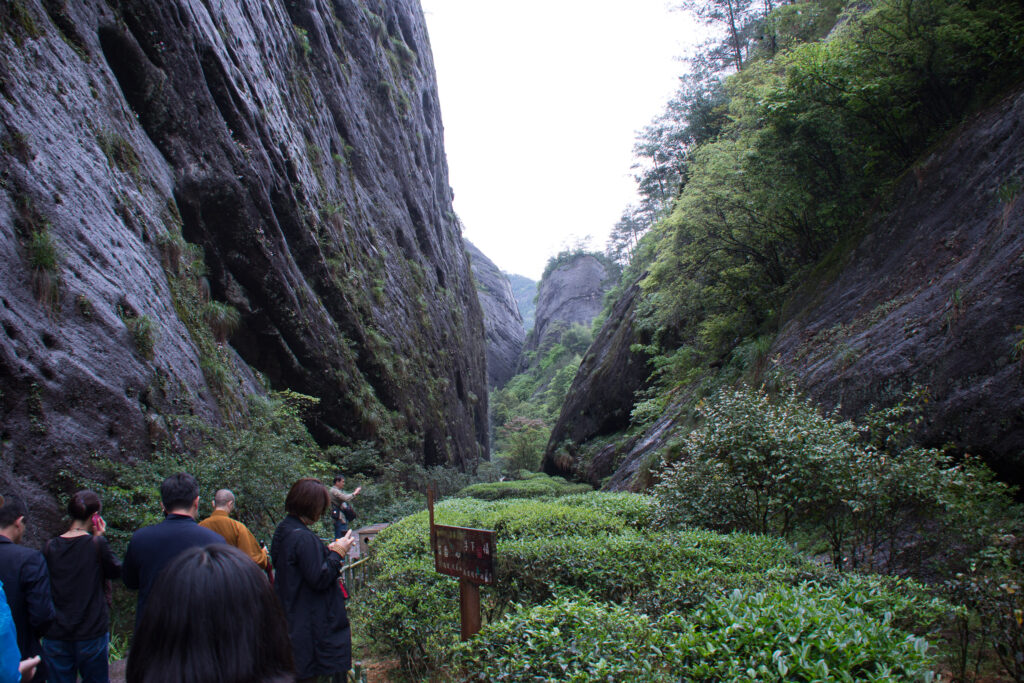
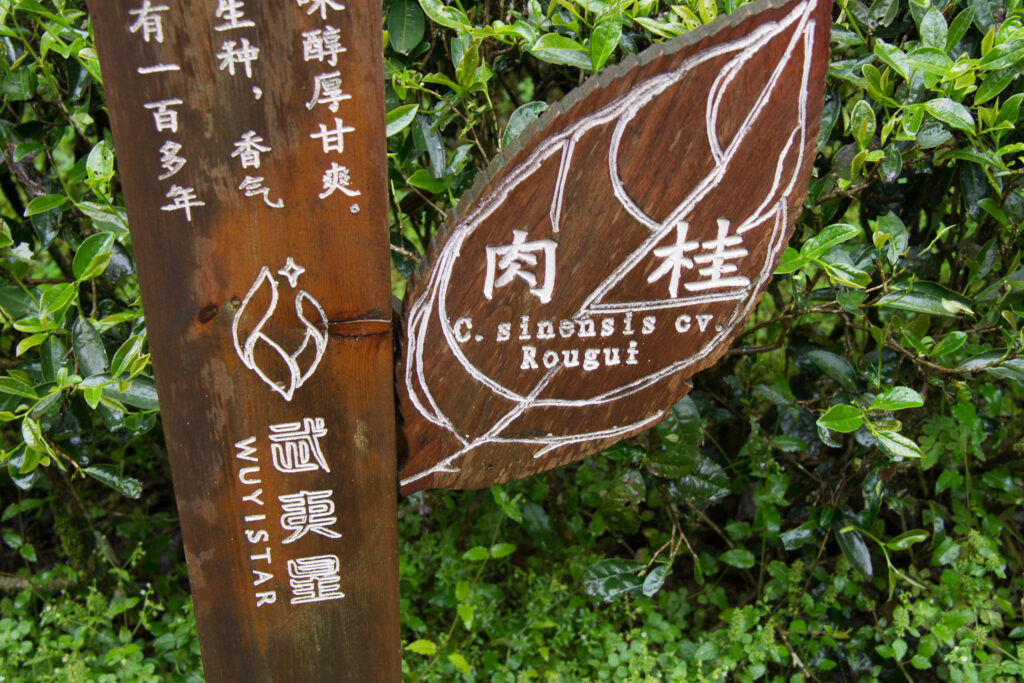
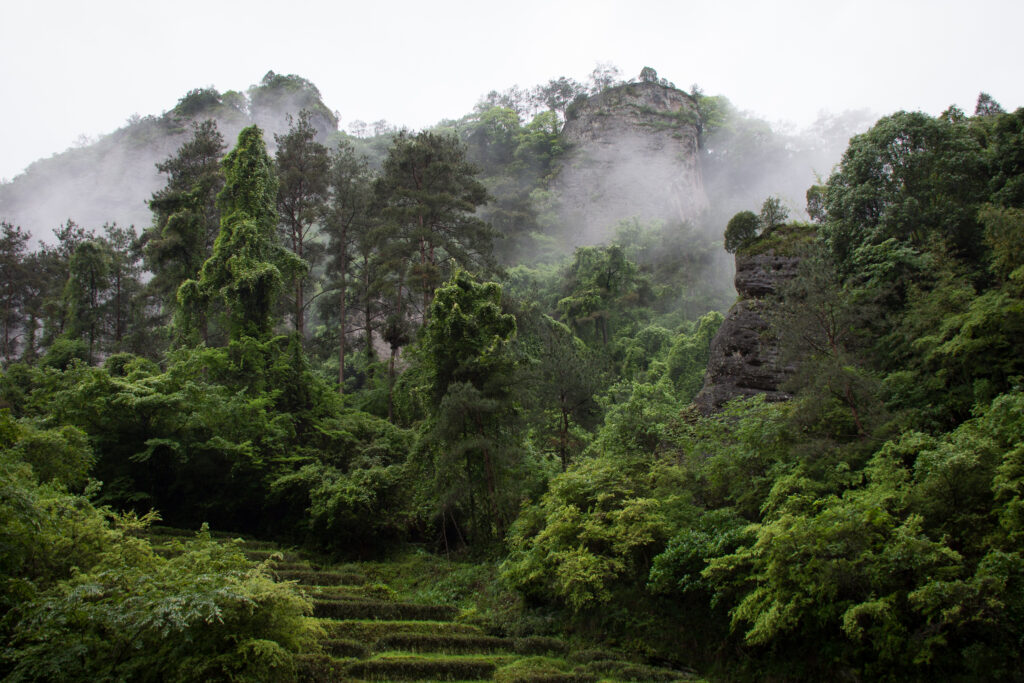
In the Wuyi Mountains, oolong bushes grow in narrow gorges between walls of rock, and each tea variety (varietals) is marked with its own name.
The stony soil gives these teas the mineral depth the Chinese call yan yun, “rock rhyme”.
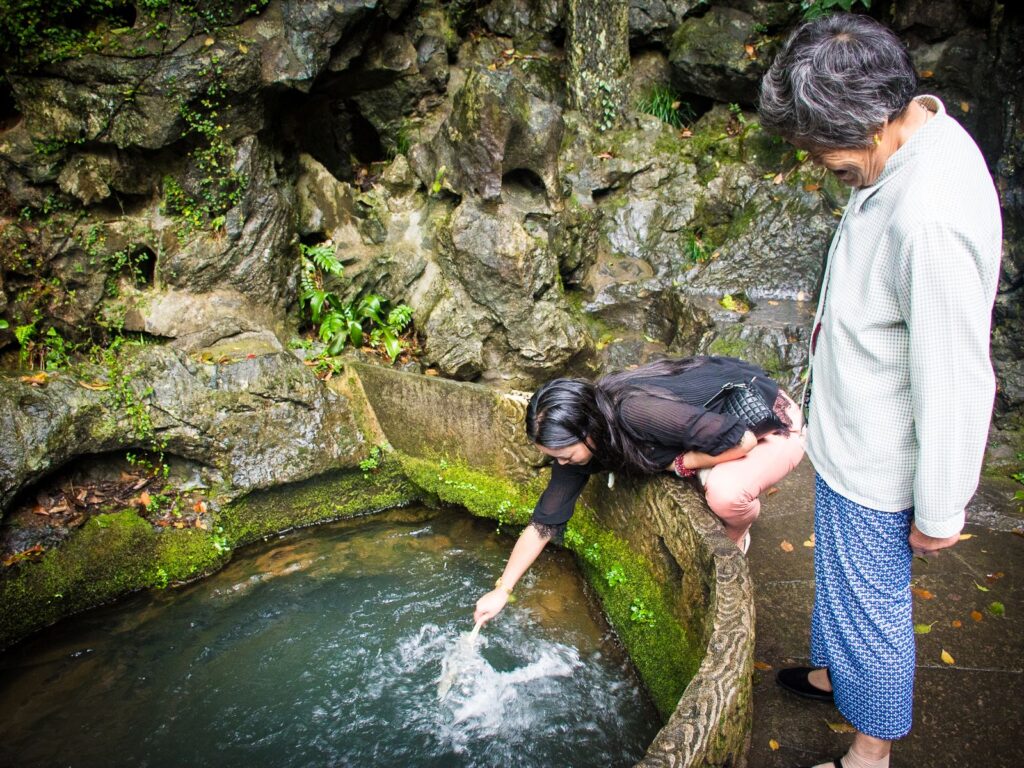
Longjing, Hangzhou: Dragon Well green tea
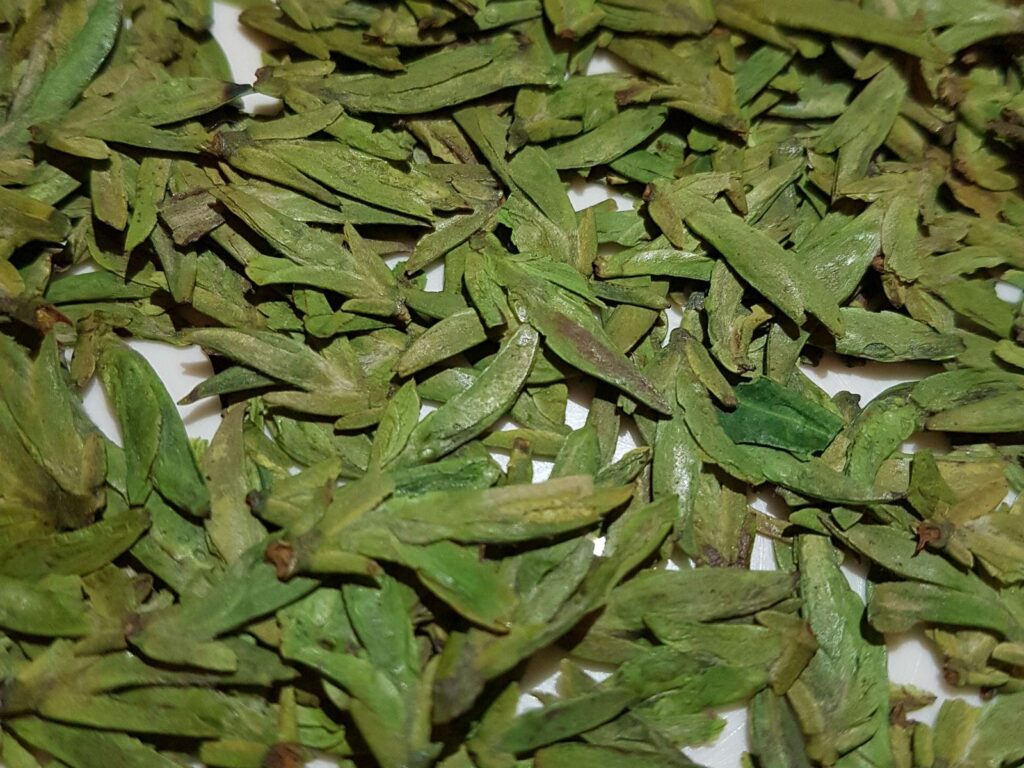
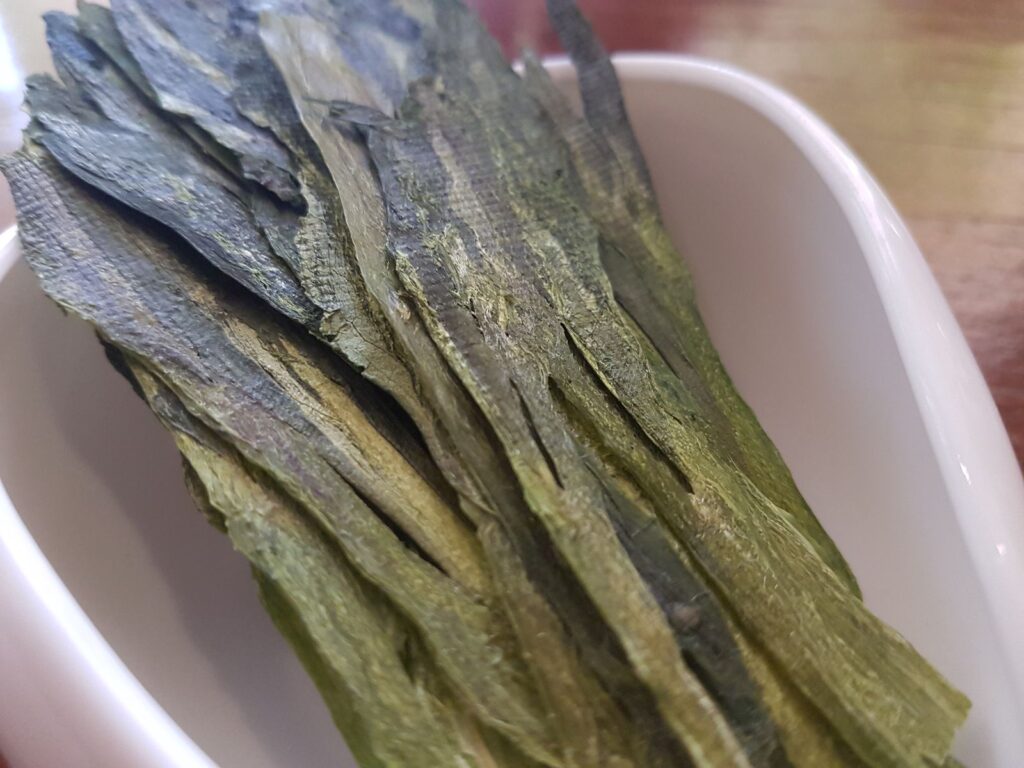
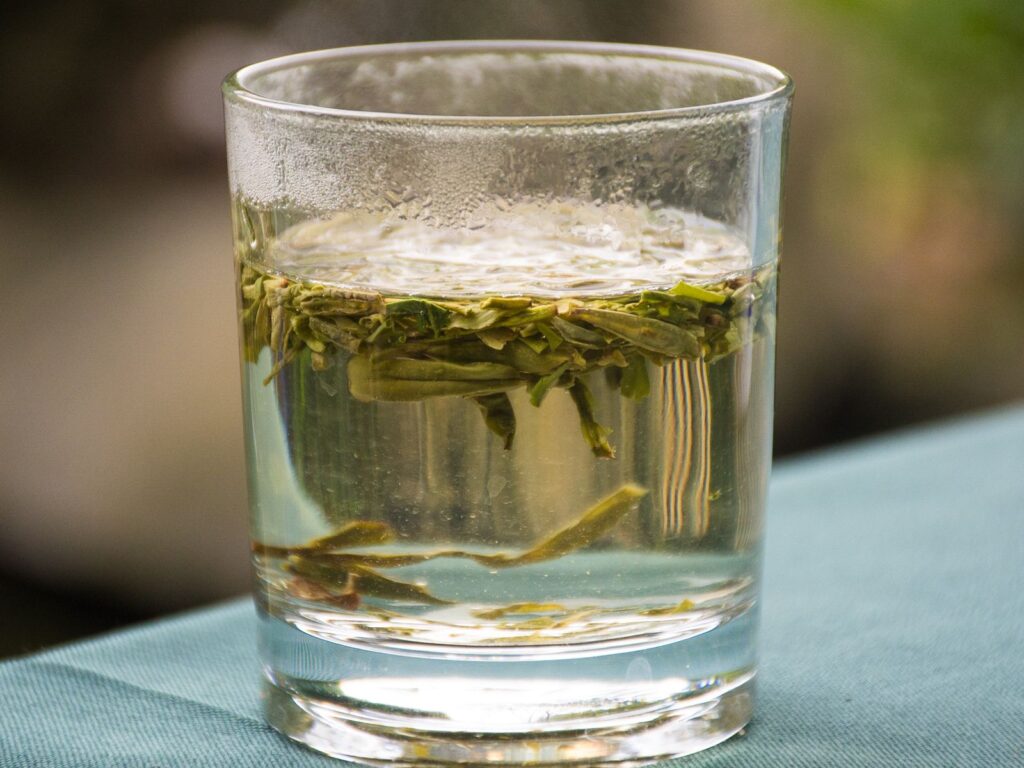
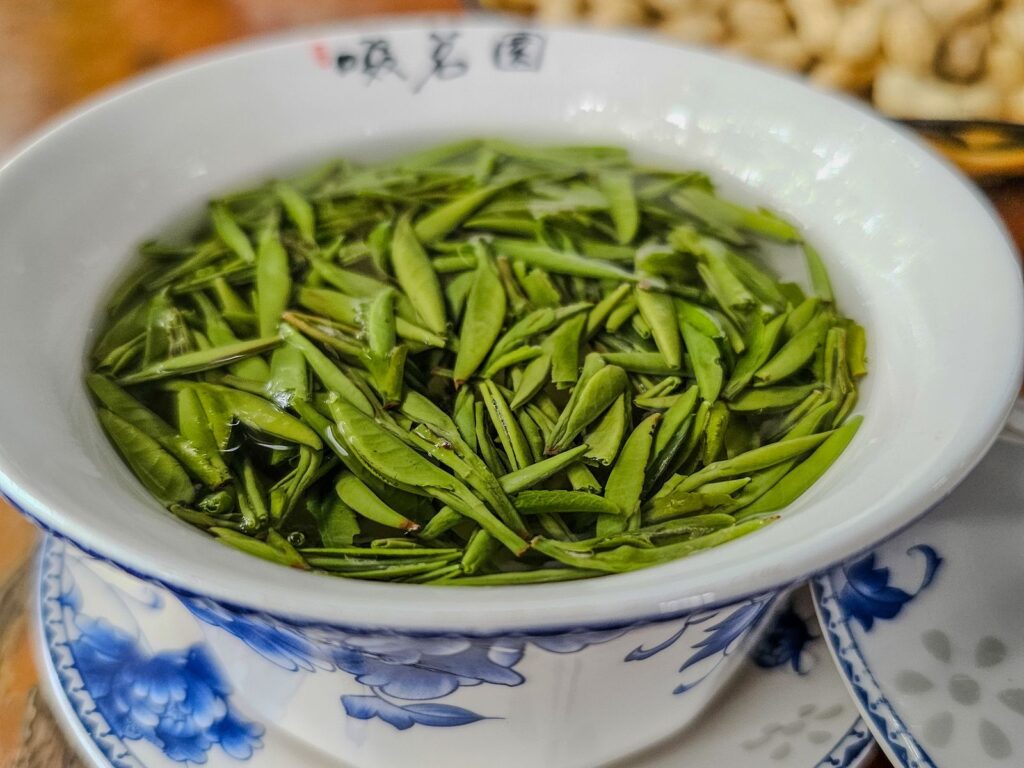
Around the West Lake of Hangzhou, in Zhejiang, grows Longjing, or Dragon Well, perhaps China’s most famous green tea.
Its flat, jade-green leaves are shaped by hand in a hot pan.
The tea takes its name from the Dragon Well spring: legend says that when you stir its water, a thin line appears on the surface, like a dragon’s whisker.
Yunnan, China: where tea began
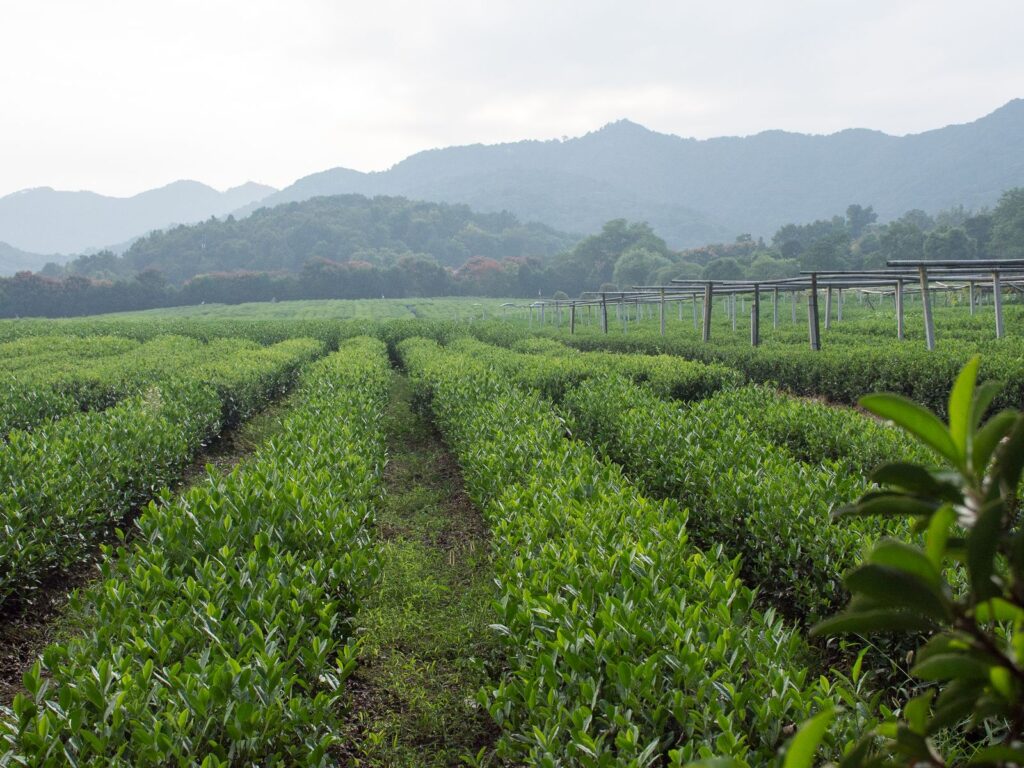
Yunnan, in south-west China, borders Myanmar, Laos and Vietnam. It is widely considered the birthplace of tea: the tea plant is native to this region, and people here have drunk it for longer than anyone can tell.
Its high mountains, deep valleys and subtropical forests make Yunnan one of the richest places in China for plants and wildlife. Besides tea, it grows coffee, fruit, flowers and vegetables, and in the rainy season its markets fill with an extraordinary variety of wild mushrooms.
Yunnan is best known for pu-erh, named after the old trading town of Pu’er. Raw (sheng) pu-erh is pressed and left to age slowly, changing year after year; ripe (shou) pu-erh is fermented in piles to give a dark, smooth tea within months. But Yunnan makes much more: red teas with golden tips, like the Yunnan Rose Red on our menu, as well as green and white teas.
Gushu: the ancient tea trees
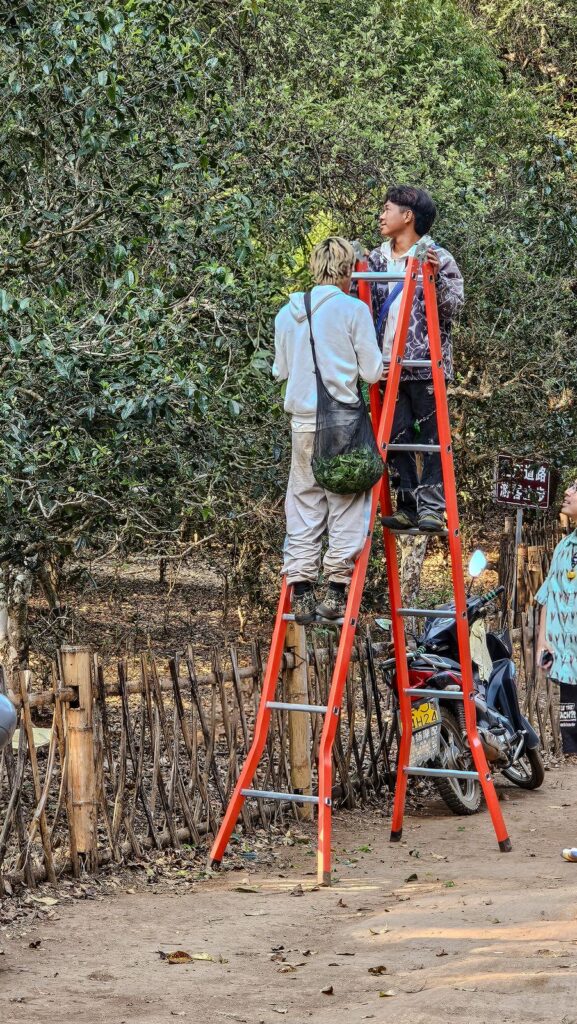
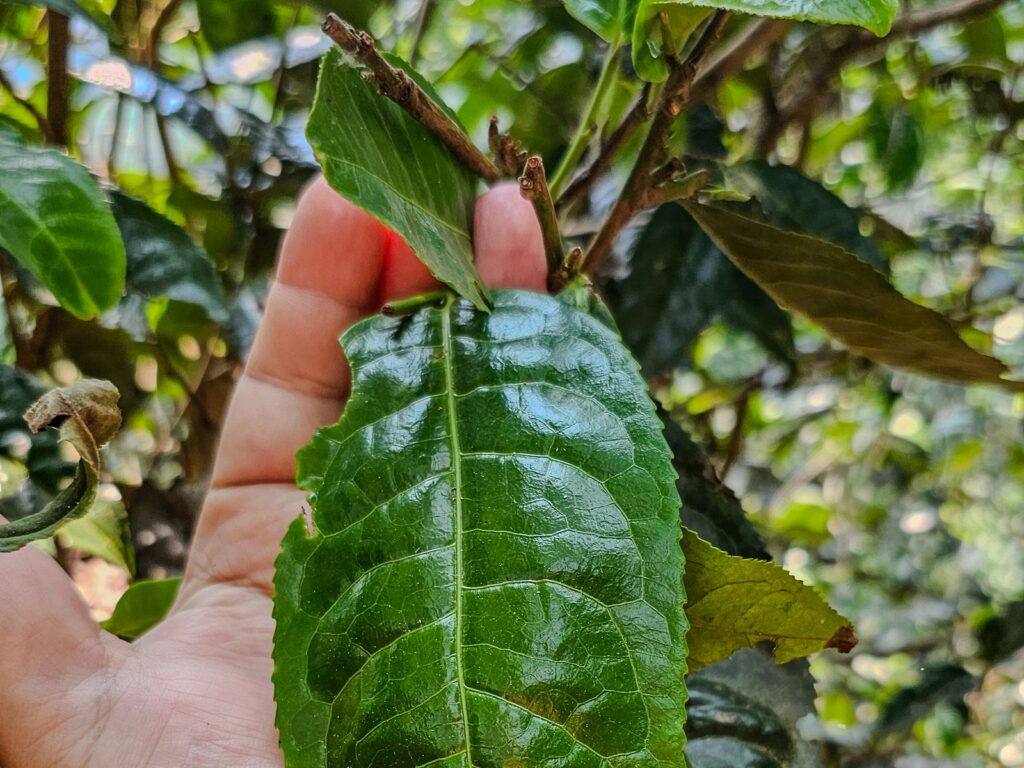
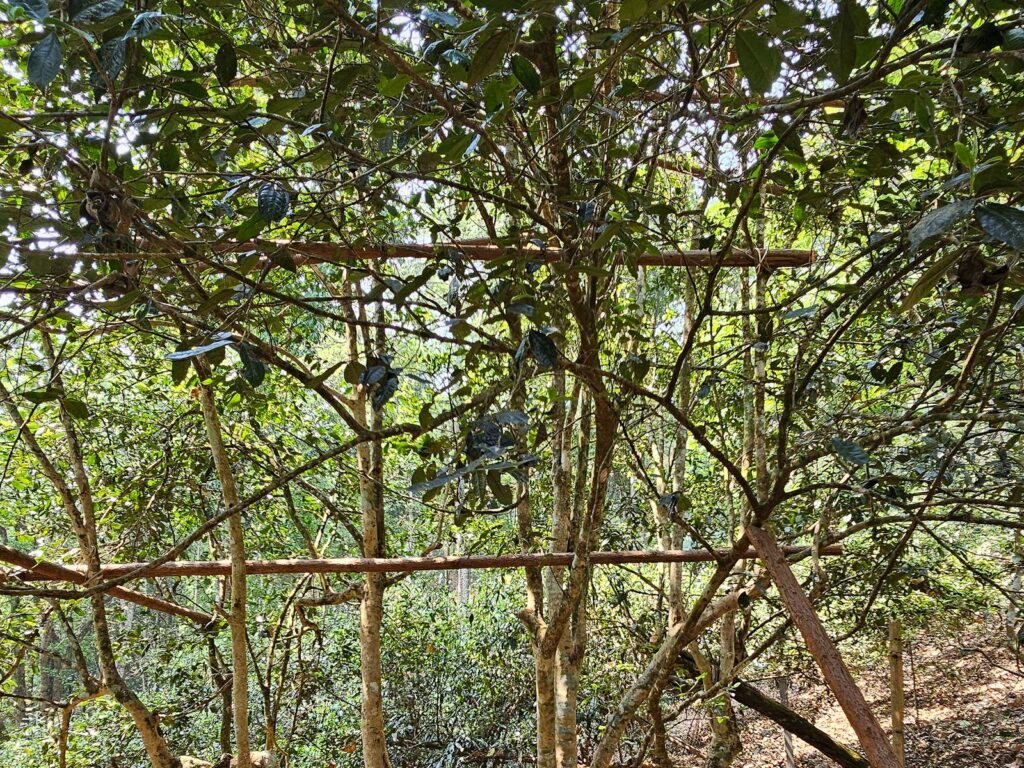
Gushu (古树) means “old tree”. In the mountains of Yunnan grow tea trees that are hundreds of years old. They belong to the broad-leaf Assam variety of the tea plant (Camellia sinensis var. assamica), which, left to grow, becomes a real tree: to pick its leaves, people climb into the branches or use ladders.
On Nannuo Mountain, in Xishuangbanna, the sign by one of these trees gives its age as 500 to 800 years and its height as 12 metres. Some old trees grow wild in the forest; most were planted long ago by the Dai, Blang, Hani and other peoples of Yunnan, and have been tended by the same villages for generations.
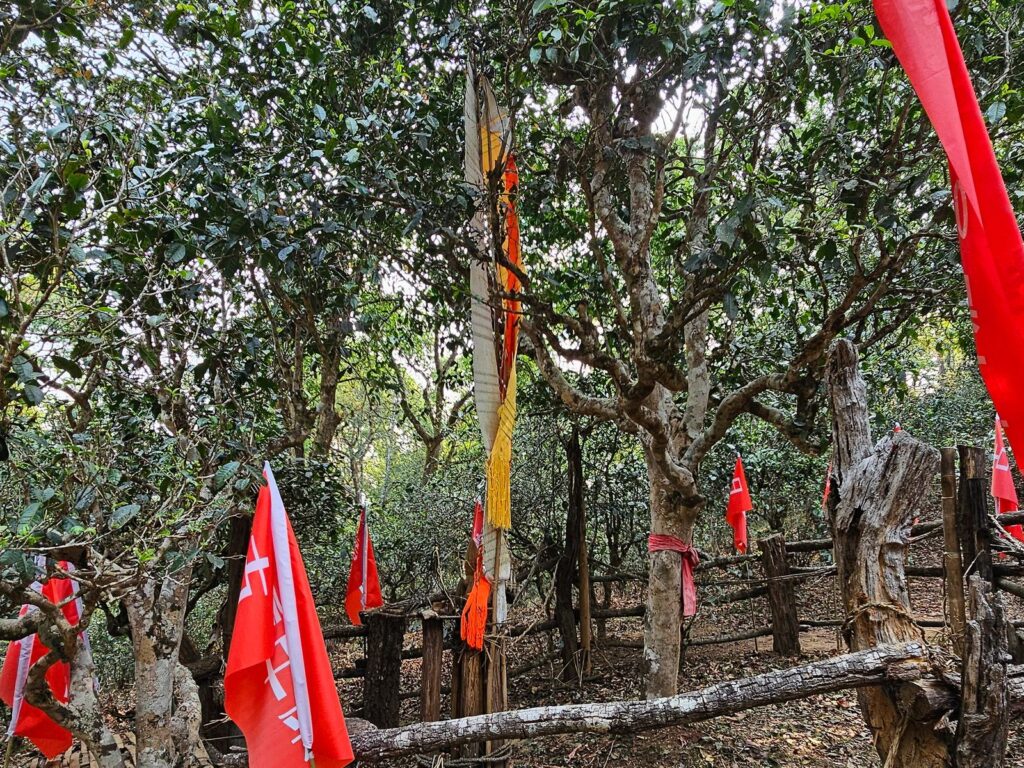
On Jingmai Mountain, in Pu’er, the old tea forests are a UNESCO World Heritage site. Here the tea trees grow under the canopy of taller forest trees, a traditional method kept by the Dai and Blang peoples: the forest keeps the air humid, softens the light, feeds the soil with its fallen leaves and keeps pests in check. Villagers honour the oldest trees, like the Tea Spirit Tree, with ribbons.
Leaves from old trees are rare and much prized: their deep roots give a full, layered taste and a long, sweet aftertaste.
Darjeeling, India: tea in the Himalayas
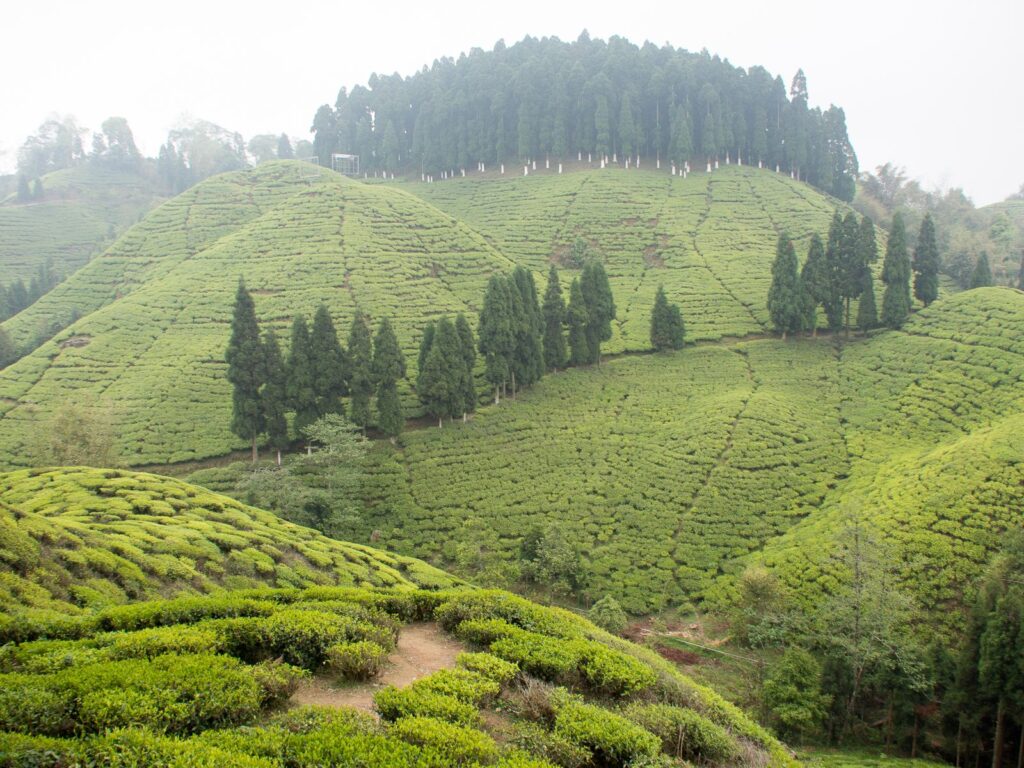
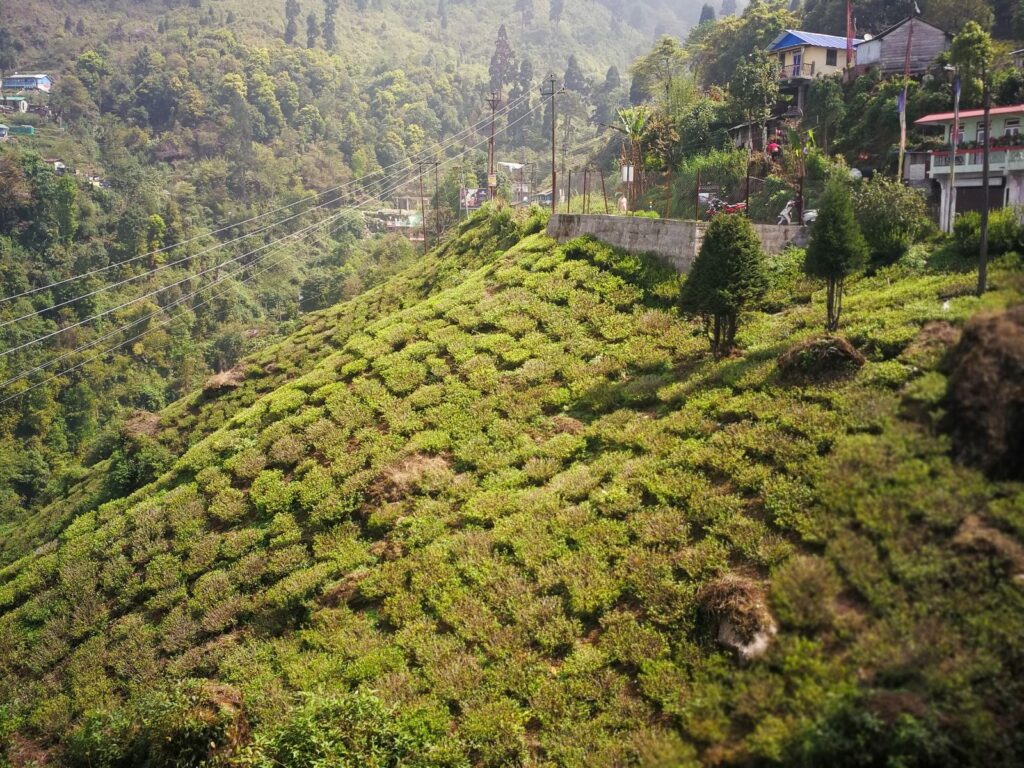
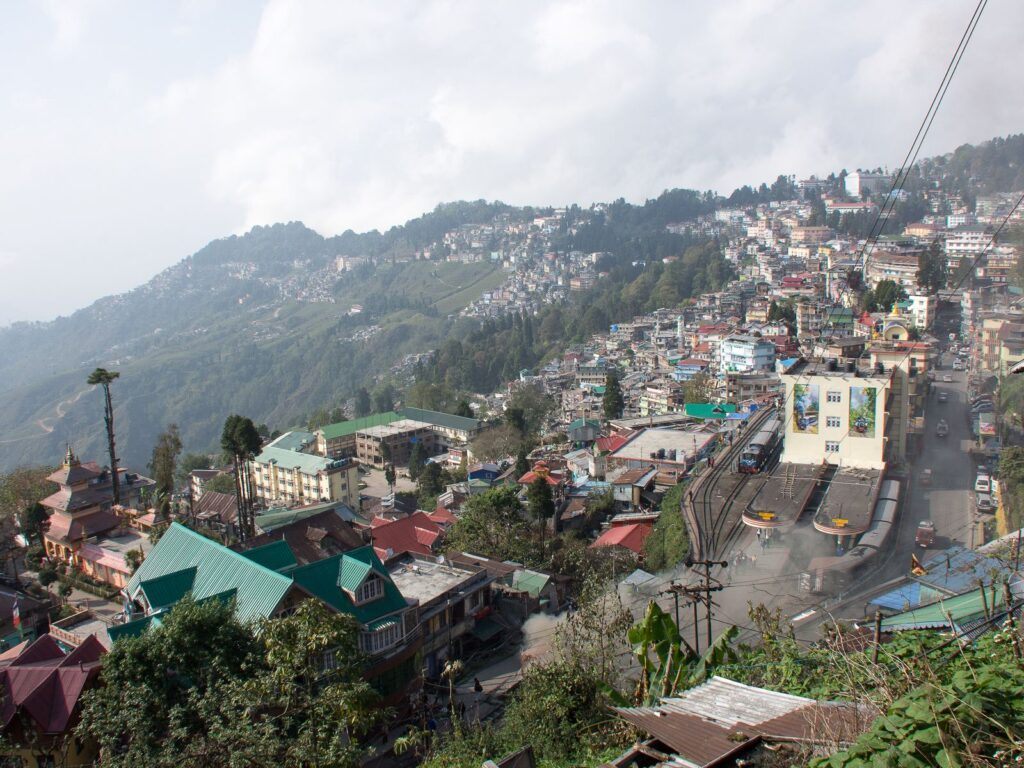
Darjeeling lies in the foothills of the Himalayas, in the Indian state of West Bengal. Here tea grows on steep slopes, roughly between 600 and 2,000 metres, in a cool, misty climate with plenty of rain.
The first gardens were planted in the mid-1800s, largely from bushes brought from China. Today the name Darjeeling is protected as a Geographical Indication: only tea grown and made in the district can carry it.
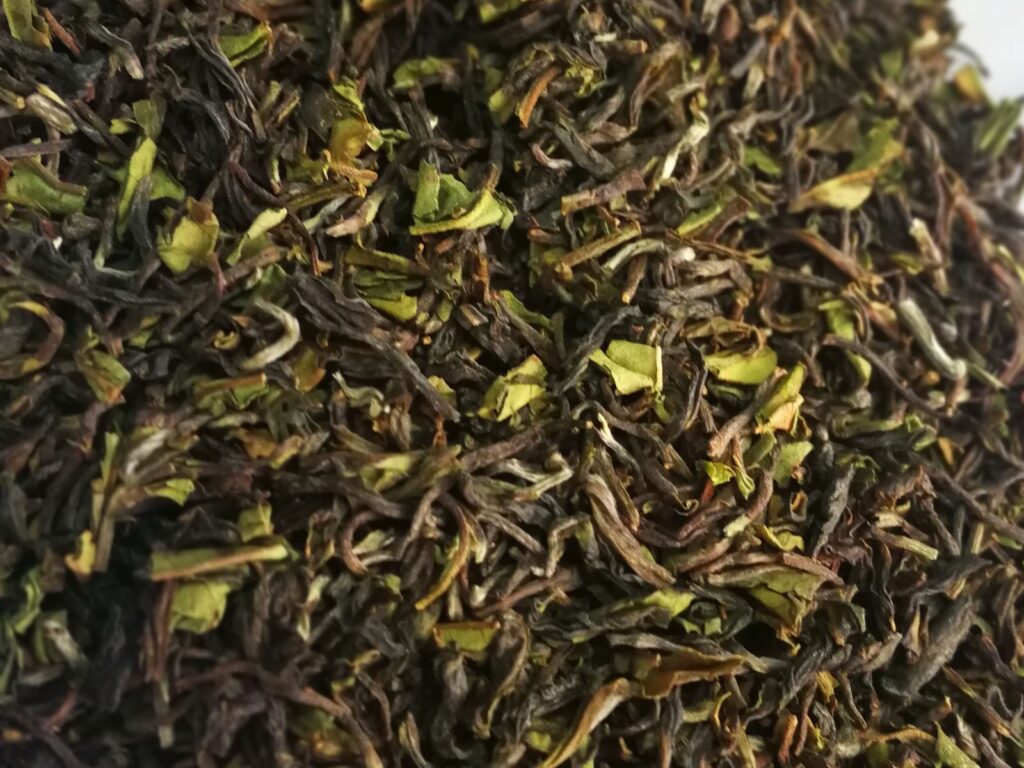
Darjeeling is usually counted as a black tea, but it is often only lightly oxidised, so the dry leaf mixes dark leaves with green and golden tips. The season shapes the cup: the spring harvest, the “first flush”, is fresh and floral; the summer “second flush” is rounder and fruitier.
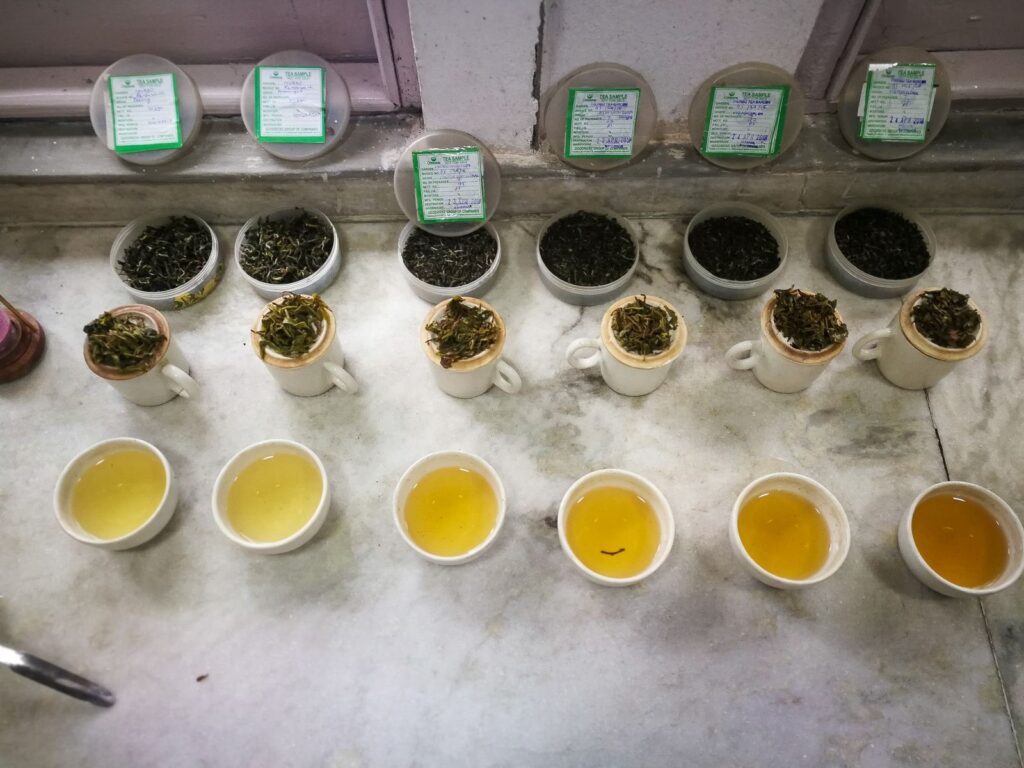
Our menu follows the best teas that we select.
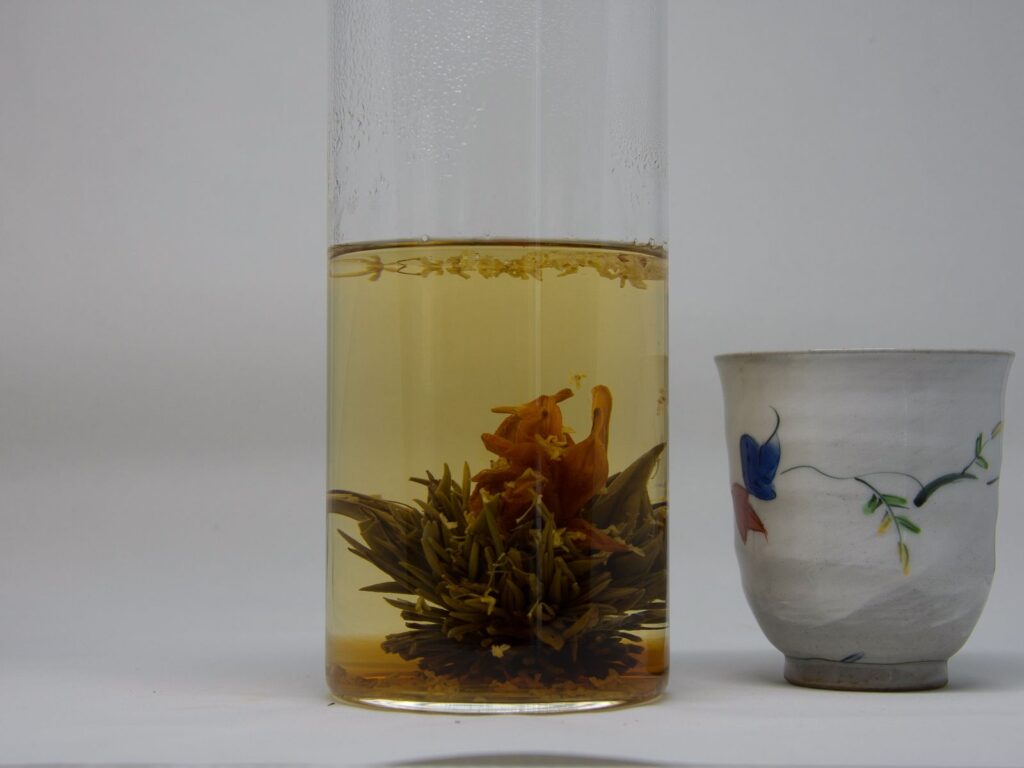
Today, Yuan Menu features Premium Orchid Green Buds, Jasmine Fur Tip Green, Phoenix Dan Cong oolong and Yunnan Rose Red.
Brewing: gongfu, cold and sparkling
Gongfu means “done with skill”.
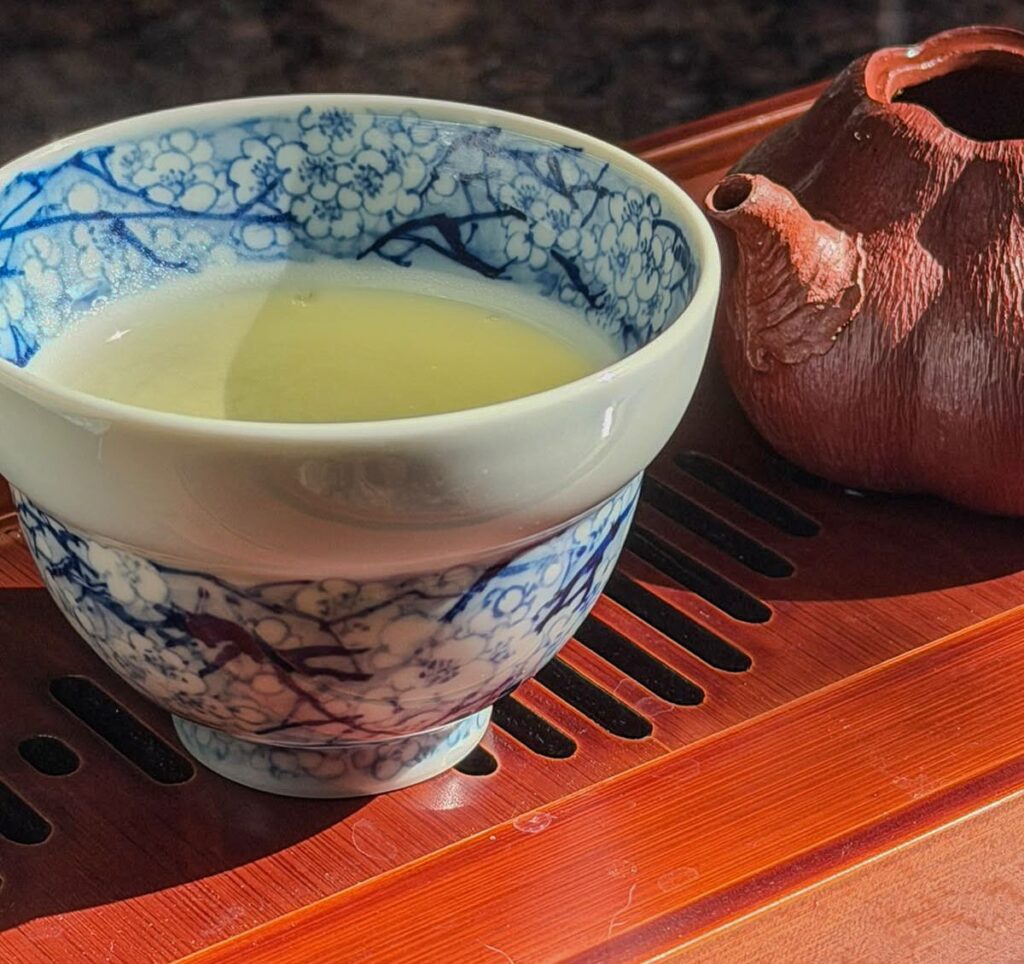
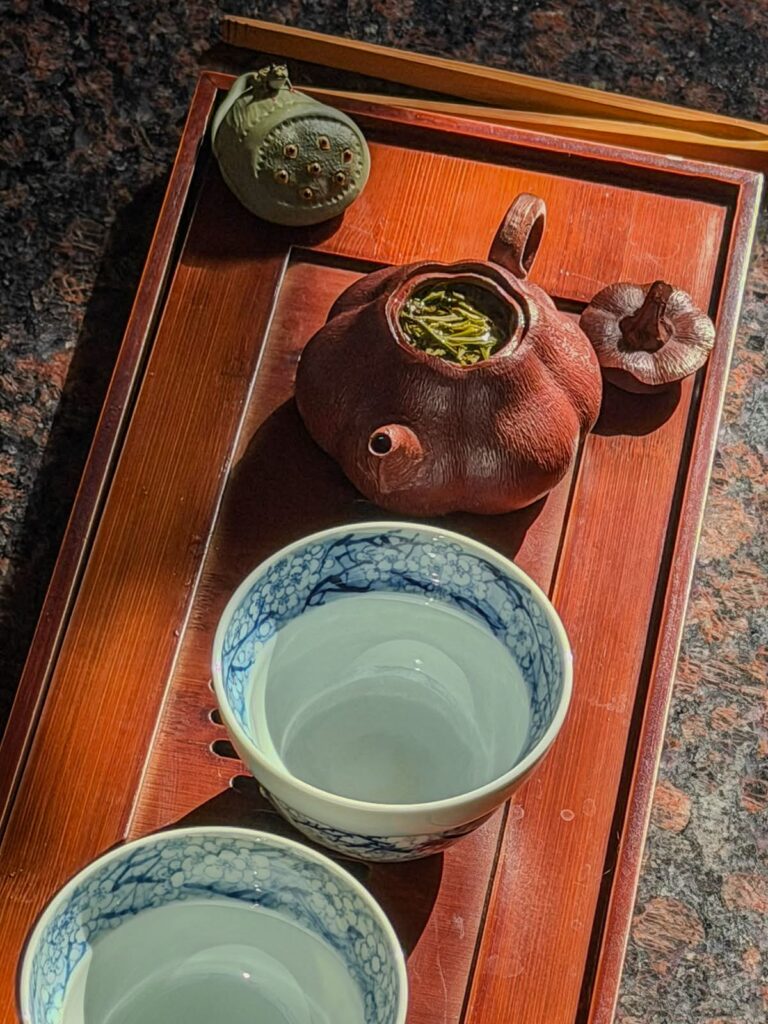
A small gaiwan or clay teapot, plenty of leaf, water at the right temperature and many short infusions, each one a little different from the last. This is how we brew our pure teas.
To try it at home, start here:
- 4 g of leaf for every 100 ml of water
- 80–85 °C for green and white tea; 90–95 °C for oolong and red tea; just off the boil for dark tea
- 10–20 seconds for the first infusion, a little longer each time
- good leaf gives five infusions or more (twenty or more for fermented teas)
- Prefer the best orthodox tea leaves, forget tea bags
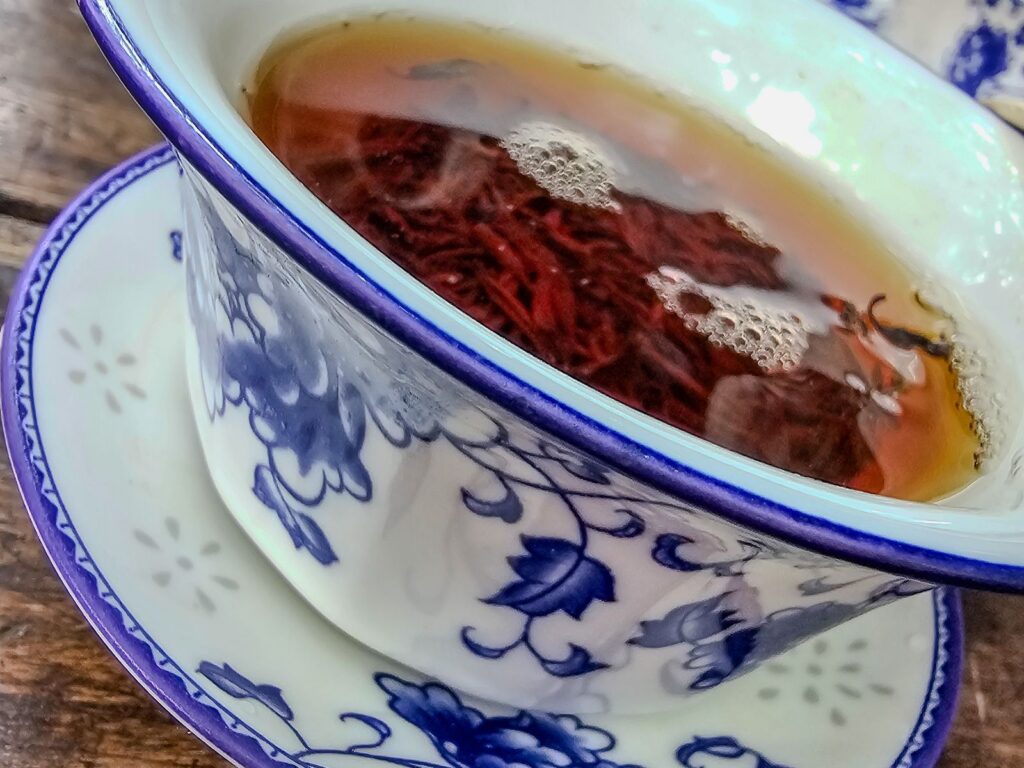
Cold and sparkling
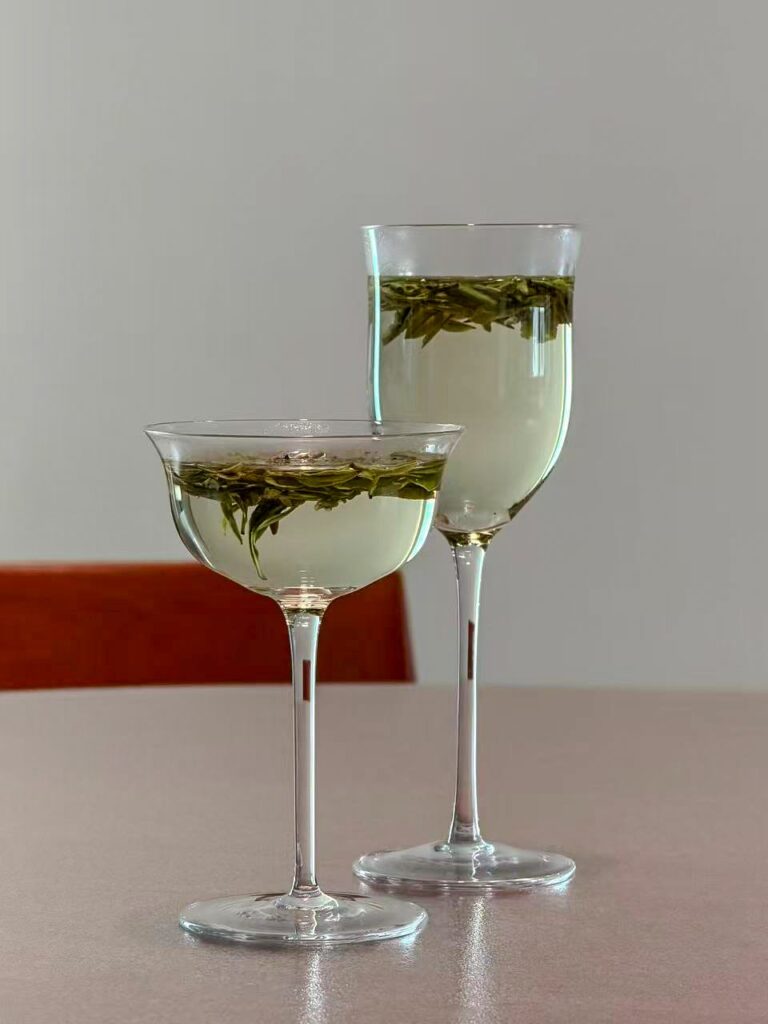
Cold brew looks even easier: leaf and cold water, a few hours in a fresh place.
The tea comes out sweet and round, with no bitterness at all.
Served in a stemmed glass, a cold-brewed tea looks like an aperitif, yet it is pure leaf and water.
And for something even more unexpected, try our sparkling teas!
In your cup
Good tea needs nothing added.
Taste it as it is, notice how it changes from the first infusion to the last, and try it with food: at our blue container in Alserkal Avenue, we pair every tea with our homemade dumplings, and they both shine.
Soon you will also find our loose-leaf teas and teaware catalogue here, for you to brew at home.